
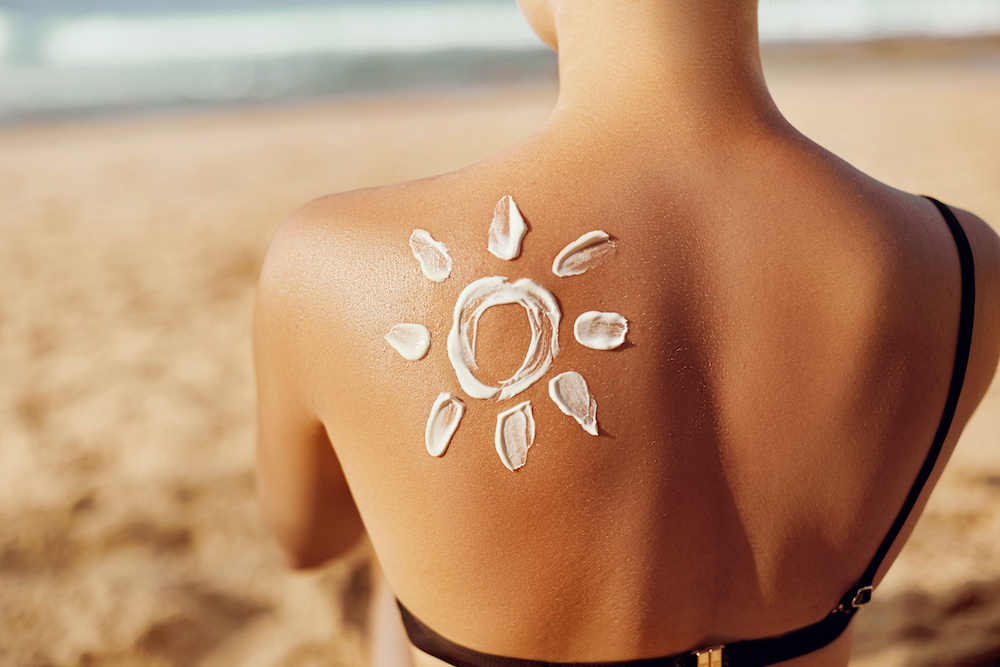
For many Australians, time at the beach is part of summer. Sunshine, salt water, and long afternoons outdoors are things people look forward to most of the year.
Spending time in the sun can feel relaxing and harmless, especially when it is part of a holiday or weekend routine. However, repeated sunburn, even just once during childhood, is linked to an increased risk of melanoma later in life.
The good news is that staying protected does not need to be complicated or expensive. A few consistent habits can significantly reduce the risk of long-term skin damage while still allowing you to enjoy the beach safely.
Key Takeaways
- UV radiation can damage skin quickly, so protective measures are essential during beach exposure.
- Always use broad-spectrum sunscreen with a high SPF and reapply regularly, especially after swimming or sweating.
- Wearing sun-protective clothing, a wide-brimmed hat and UV-blocking sunglasses significantly reduces harmful UV exposure.
- UV index awareness helps plan safe outdoor time, as even cloudy days can pose a significant skin damage risk.
- Reflective surfaces like sand and water increase UV exposure, so sun protection should be comprehensive at the beach.
Why the Beach Puts Your Skin at Higher Risk
Time spent at the beach usually means extended exposure to sunlight. Ultraviolet radiation includes both UVA and UVB rays. UVB is primarily responsible for sunburn, while UVA penetrates deeper into the skin and contributes to premature ageing and long-term cellular damage.
Cloud cover does not eliminate this risk. UVA rays can pass through clouds and reach the skin even when the day feels mild.
In addition, sand and water reflect UV radiation, meaning exposure comes not only from above but also from below. This reflected UV can increase the intensity of exposure and lead to burns in unexpected areas.
Tanning is often seen as a sign of a good beach day. In reality, it indicates that the skin has already been exposed and damaged. Years of similar beach days can eventually lead people to seek advice at a skin clinic when changes become noticeable.
1. Wear Sunscreen Every Day, Regardless of the Weather
Sunscreen should be applied even on overcast days. Many people assume that cooler temperatures or cloud cover reduce the need for protection, but UVA radiation remains present.
Broad-spectrum sunscreen protects against both UVA and UVB rays. Daily use reduces the cumulative damage that builds over time.
2. Apply a Generous, Full-Body Amount
Most adults do not apply enough sunscreen. As a general guide, a shot-glass amount is required to cover the entire body. Less than this significantly reduces the level of protection provided.
Sunscreen should be applied at least 15 minutes before going outdoors. Areas commonly missed include the ears, the back of the neck, the top of the feet, and the back of the legs.
3. Choose Protection That Covers Both UVA and UVB
A sunscreen labelled broad-spectrum offers protection against both types of UV radiation. This is important at the beach, where exposure is prolonged, and reflection increases intensity.
Water-resistant formulas are particularly useful. Even so, water resistance does not mean waterproof. Protection diminishes with time, swimming, and sweating.
4. Maintain Protection Through Regular Reapplication
Sunscreen does not last all day. Reapplication every two hours is recommended, and more frequently after swimming or heavy perspiration.
Many cases of sunburn occur late in the afternoon when initial protection has worn off, and reapplication has been overlooked. Cumulative exposure is a common reason people later seek advice at a skin cancer clinic for pigmentation, premature ageing, or persistent sun damage.
5. Keep Infants Protected with Shade and Coverage
Babies under 12 months of age should be kept out of direct sunlight wherever possible. At this stage, their skin contains very little melanin, which means it has limited natural defence against UV radiation.
Light clothing and consistent shade are especially important, as sunscreen alone does not provide adequate protection for such delicate skin. Minimising direct exposure during early infancy helps reduce the risk of sunburn at a stage when the skin is particularly vulnerable.
6. Remember That Sand and Water Reflect UV Rays
UV radiation reflects off sand and water, increasing overall exposure. This reflection can lead to burns under the chin, inside the nostrils, and along the underside of the jaw.
People often underestimate this effect, focusing only on direct sunlight from above. But reflection means the skin can be exposed from multiple angles.
7. Plan Around PrimeUV Hours
UV radiation is strongest between 10 am and 4 pm. Limiting direct exposure during these hours reduces the likelihood of sunburn.
A simple guide involves observing your shadow. When it appears shorter than your height, ultraviolet intensity is high and additional protection is required.
8. Use Clothing as a Protective Barrier
Clothing provides reliable physical protection. Tightly woven fabrics block more UV radiation than loosely woven materials. Darker colours generally offer greater protection than light fabrics.
Long sleeves, rash shirts, and beach cover-ups can significantly reduce direct exposure, particularly across the shoulders and chest. UV-protective clothing is also available for those who want added protection during extended time outdoors.
9. Protect the Face and Eyes with Proper Accessories
Wide-brimmed hats shield the face, ears, and neck, while UV-protective sunglasses protect the eyes and the delicate skin around them.
These accessories are simple but effective. They often determine whether a day at the beach ends comfortably or with a painful sunburn.
10. Take Extra Precautions When Using Certain Medications
Some medications increase sensitivity to sunlight. Antibiotics, certain anti-inflammatories, blood pressure medications, and topical acne treatments can make the skin more reactive to ultraviolet exposure.
When taking these medications, stricter sun protection measures are advisable. This may include additional sunscreen application, increased shade use, and shorter periods in direct sun.
Protect Your Skin Every Time You Visit the Beach
A single day at the beach can cause more ultraviolet exposure than many people realise. The risk does not come from one source alone, but from a combination of direct sunlight, reflection, and prolonged time outdoors.
The damage may build slowly, but so can prevention. Consistent protection reduces long-term risk and limits the need for corrective treatment later. Apply protection, monitor changes, and treat sun safety as a routine part of every beach visit rather than an occasional precaution.
If severe or blistering sunburn occurs, medical attention should be sought. Ongoing redness or skin changes that do not settle after sun exposure should also be assessed. In some cases, referral to a melanoma specialist may be recommended if further evaluation is required.
FAQs
How can you stay sun safe at the beach?
Staying sun safe at the beach involves combining several protective measures. Applying a broad-spectrum sunscreen before heading out and reapplying it regularly helps protect exposed skin. Wearing protective clothing such as a hat, sunglasses, and a cover-up adds another layer of defence. Seeking shade, especially during peak UV hours, also reduces direct exposure. Because the beach environment increases UV reflection from sand and water, maintaining these habits consistently is important to reduce the risk of sunburn and long-term skin damage.
Why is sun protection more important at the beach?
Sun protection is particularly important at the beach because UV radiation is often stronger and more intense. Surfaces like sand and water reflect sunlight, increasing overall exposure to the skin. This means you can receive UV radiation not only from above but also from reflected light. Wind and water can also make it harder to notice how much sun you are getting, increasing the risk of sunburn. These factors make consistent protection even more important in beach settings.
How often should you reapply sunscreen at the beach?
Sunscreen should be reapplied regularly to maintain its effectiveness, especially at the beach. It is generally recommended to reapply every two hours, or more frequently if you have been swimming, sweating, or towel drying. Water and physical activity can remove sunscreen from the skin, reducing its protective ability. Applying a generous amount each time ensures better coverage. Keeping sunscreen accessible throughout the day makes it easier to maintain consistent protection.
What clothing helps protect your skin at the beach?
Protective clothing plays an important role in reducing sun exposure. Wide-brimmed hats help shield the face, neck, and ears, while sunglasses protect the eyes from UV radiation. Lightweight, long-sleeved shirts or rash vests can cover large areas of skin without causing discomfort in warm weather. Choosing fabrics designed for sun protection can provide additional coverage. Combining clothing with sunscreen offers more reliable protection than relying on a single method alone.
Is shade enough to protect you from the sun at the beach?
While shade helps reduce direct exposure to UV rays, it does not provide complete protection. Reflected UV radiation from sand and water can still reach your skin even when you are under an umbrella or shelter. For this reason, shade should be used alongside other protective measures such as sunscreen and appropriate clothing. Relying on shade alone may leave areas of your skin exposed, increasing the risk of sunburn and cumulative damage over time.
