
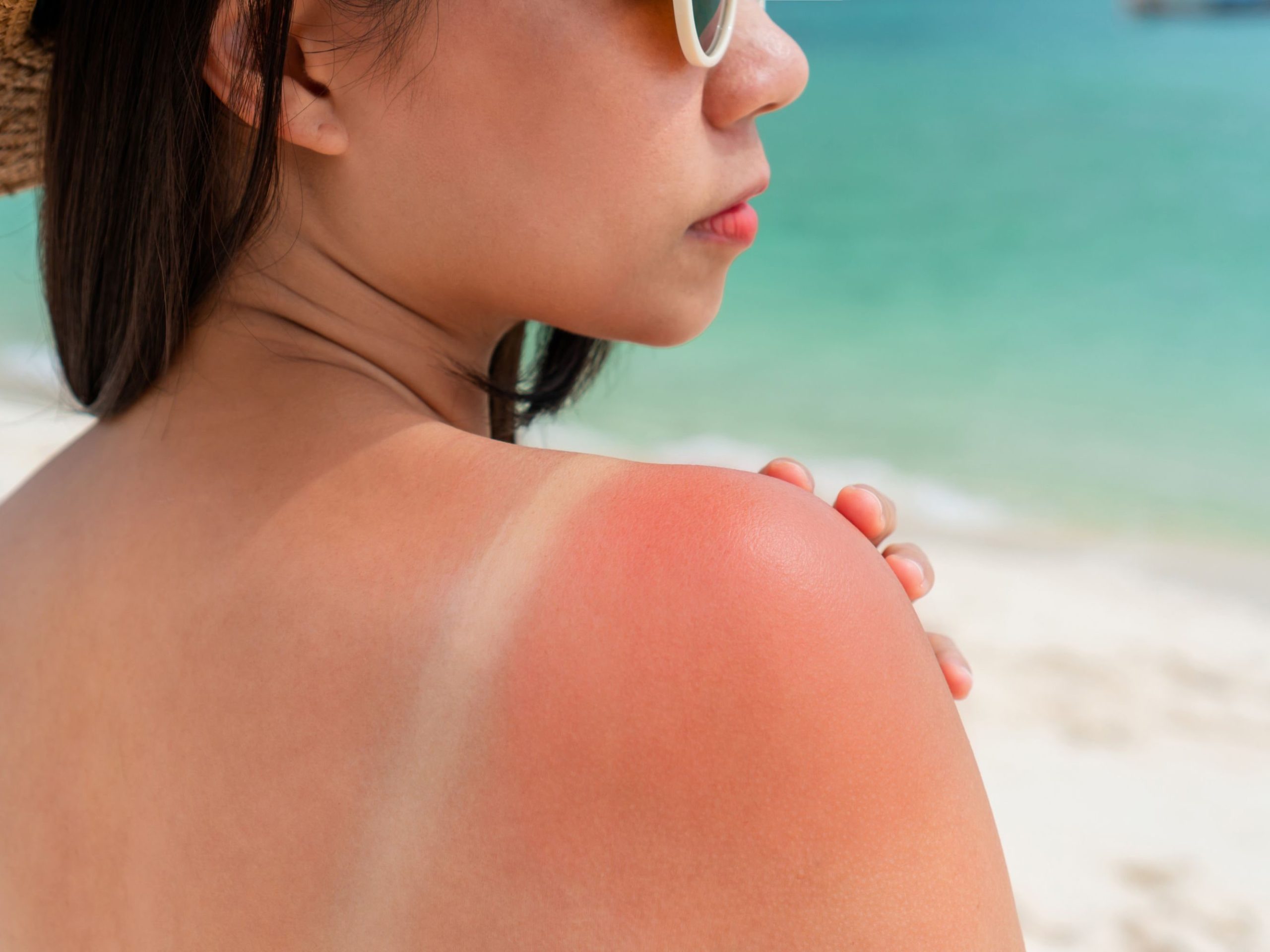
Ageing is a natural process. Over time, the skin gradually loses collagen, elasticity, and firmness. However, not all visible ageing is simply the result of getting older. A significant proportion of premature skin ageing is linked to ultraviolet exposure. In fact, research suggests that up to 90% of visible skin ageing is associated with long-term sun exposure.
Unlike natural ageing, which develops gradually and predictably, sun-related ageing can be accelerated by repeated exposure over the years. The encouraging part is that this form of ageing is largely preventable with consistent protective habits.
Key Takeaways
- Ultraviolet radiation accelerates skin ageing by damaging DNA and disrupting normal skin repair mechanisms.
- Chronic sun exposure breaks down collagen and elastin, leading to loss of elasticity, wrinkles and sagging at an earlier age than chronological ageing alone.
- UV exposure increases free radicals and oxidative stress in skin cells, which hastens visible signs of ageing such as fine lines and rough texture.
- Long-term exposure to UV rays is a major factor in premature skin ageing and also elevates the risk of skin cancers.
What Causes Early Skin Ageing
Skin ageing occurs through two main processes: intrinsic ageing and extrinsic ageing.
- Intrinsic ageing refers to the natural, genetically determined process that occurs as we get older. Collagen production slows, the skin becomes thinner, and elasticity gradually declines.
- Extrinsic ageing, often called photoageing, is driven by environmental factors. Ultraviolet radiation penetrates the skin and causes structural damage at a cellular level. Over time, this damage accumulates and becomes visible.
What Is Photoageing?
Photoageing describes premature skin ageing caused by cumulative exposure to ultraviolet radiation from the sun or artificial sources, such as tanning beds. This exposure breaks down collagen and elastin fibres, which are responsible for maintaining skin firmness and resilience.
As these fibres weaken, the skin develops fine lines, deeper wrinkles, uneven texture, and pigmentation changes. Unlike natural ageing, which tends to be gradual and uniform, photoageing often produces more pronounced and uneven changes.
Photoageing Compared with Chronological Ageing
Chronological ageing occurs naturally and is influenced by genetics and time. It leads to a gradual reduction in collagen and slower cell turnover.
Photoageing, by contrast, produces specific signs linked directly to ultraviolet damage. These include sunspots, patchy pigmentation, rough texture, and leathery skin.
While both processes occur simultaneously, ultraviolet exposure significantly accelerates visible ageing beyond what would occur naturally.
Who Is More Susceptible to Sun-Related Ageing
Certain individuals face a higher likelihood of accelerated sun-related skin changes.
People with lighter skin tones have less melanin, which provides reduced natural protection against ultraviolet radiation. Those with blue or green eyes, light-coloured hair, freckles, or skin that burns easily before tanning are also more vulnerable.
Although darker skin contains more melanin and offers some protection, it is not immune to damage. Pigmentation changes and uneven tone can still develop with repeated exposure.
A higher number of moles, a personal or family history of skin cancer, and intense intermittent exposure, such as prolonged weekend sun, can increase susceptibility. Living or holidaying at high altitudes also increases the risk, as ultraviolet radiation is stronger at elevation.
Visible Signs of Sun-Accelerated Ageing
The most common signs of photoageing include fine lines, deeper wrinkles, and a gradual loss of elasticity. The skin may appear thinner or rougher in texture.
Pigmentation changes are also common. Sunspots, uneven tone, and areas of hyperpigmentation often develop in sun-exposed areas such as the face, neck, chest, and hands. When these changes become more noticeable or begin to progress, a clinical assessment at a skin clinic can help determine the extent of sun damage and rule out any underlying concerns.
Daily Habits That Slow Photoageing
Preventing premature ageing depends on consistent protection. Here are measures recommended by a melanoma specialist to reduce cumulative ultraviolet damage.
- Broad-spectrum sunscreen with at least SPF 30 should be applied daily, even when outdoors for short periods. See why SPF15 may not be enough, and consider mineral sunscreen benefits for daily wear. Ultraviolet radiation accumulates over time, including during incidental exposure such as driving or walking.
- Protective clothing, such as long sleeves, wide-brimmed hats, and tightly woven fabrics, provides an additional physical barrier.
Seeking shade, particularly between 10 am and 4 pm when ultraviolet radiation is strongest, further reduces exposure.
These small daily habits can significantly limit long-term structural damage.
Addressing Existing Sun Damage
For those who already notice signs of photoageing, several options may help improve skin texture and tone.
- Topical treatments containing retinoids can stimulate collagen production and promote cell renewal.
- Vitamin C serums may help reduce pigmentation and brighten uneven tone.
- Continued sunscreen use remains essential to prevent further damage.
- Professional procedures such as chemical peels, laser treatments, and microdermabrasion can address more pronounced changes. However, treatment selection depends on individual skin type and the degree of damage present.
Slow Sun-Driven Skin Ageing Before It Takes Hold
Skin ageing is influenced by both natural, time-related changes and external factors such as ultraviolet exposure. While intrinsic ageing cannot be avoided, the visible impact of photoageing can be reduced.
Apply broad-spectrum sunscreen, wear protective clothing, seek shade during peak ultraviolet hours, and arrange regular skin checks. Over time, these consistent measures help preserve collagen integrity and minimise additional visible ageing.
If new pigmentation, persistent rough patches, or changing lesions are noticed, book an assessment at a trusted skin cancer clinic to evaluate sun damage and rule out underlying concerns.
FAQs
How does sun exposure cause early skin ageing?
Sun exposure accelerates skin ageing through a process known as photoageing. Ultraviolet (UV) radiation penetrates the skin and breaks down collagen and elastin, which are responsible for firmness and elasticity. Over time, this damage reduces the skin’s ability to repair itself, leading to wrinkles, fine lines, and a loss of structure. Unlike natural ageing, which occurs gradually, sun-related ageing can appear earlier and more noticeably. Regular, unprotected exposure compounds this effect, making prevention and protection important for maintaining healthier-looking skin.
What are the visible signs of sun-induced skin ageing?
Early skin ageing caused by sun exposure often appears as fine lines, wrinkles, uneven skin tone, and pigmentation such as sunspots or age spots. The skin may also become rougher in texture and lose its natural firmness. In some cases, redness or broken capillaries may develop. These changes tend to appear in areas most exposed to the sun, including the face, neck, and hands. Over time, the cumulative effect of UV damage becomes more noticeable, giving the skin a prematurely aged appearance.
Is sun damage the same as natural ageing?
Sun damage and natural ageing are different processes, although they can appear similar. Natural ageing is influenced by genetics and occurs over time as the skin gradually loses collagen and elasticity. Sun damage, on the other hand, is caused by repeated exposure to UV radiation and can significantly speed up this process. It often results in more pronounced and uneven changes in the skin. While natural ageing is inevitable, sun-induced ageing can be reduced by limiting exposure and using protective measures.
Can early skin ageing from the sun be prevented?
While it is not possible to completely avoid all signs of ageing, early skin ageing caused by the sun can be reduced. Consistent sun protection plays a major role. This includes using broad-spectrum sunscreen, wearing protective clothing, and seeking shade during peak UV hours. Regular skin checks and a consistent skincare routine can also help manage and minimise visible damage. Starting these habits early can slow the development of premature ageing and support healthier skin over time.
Why is sun protection important even on cloudy days?
UV radiation can penetrate clouds, meaning your skin is still exposed even when the sun is not directly visible. Many people underestimate this and skip sun protection on overcast days, which can lead to cumulative damage over time. Daily exposure, even in small amounts, contributes to early skin ageing and increases the risk of other skin concerns. Using sunscreen and maintaining protective habits every day helps reduce this ongoing exposure and supports long-term skin health.
