
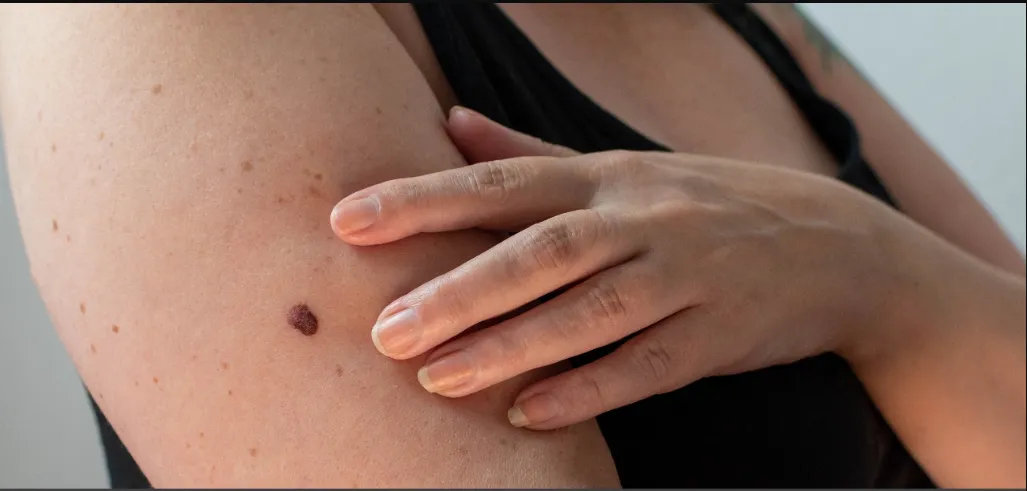
Melanoma is often labelled as a fast-moving form of skin cancer, but that can be a bit misleading without more context. It is natural for people to wonder how quickly it really develops. The truth is, there is no single answer. Melanoma can behave differently from one person to another, which makes understanding its growth patterns an important part of recognising risk and acting early.
Key Takeaways
- Melanoma growth rates vary widely, with some cases developing slowly over years while others progress rapidly.
- It often begins in the outer skin layer, but risk increases once it grows deeper where it can access blood vessels and lymphatic pathways.
- Early warning signs include changes in size, shape, colour, uneven borders, or a spot that looks different from others.
- Advanced melanoma may spread to lymph nodes or organs such as the lungs, liver, brain, or bones.
- Regular skin checks and early assessment of suspicious lesions greatly improve the chance of simpler treatment and better outcomes.
Melanoma Growth Rates Vary
Many people assume melanoma spreads within weeks or months. In reality, growth rates vary widely and depend on several factors. Some melanomas develop slowly over years, while others progress more quickly, reaching deeper skin layers and spreading to other parts of the body in a shorter timeframe. UV exposure, including from tanning beds and skin cancer risk, remains one of the biggest drivers of that variation.
How Melanoma Develops in the Skin
In the early stages, melanoma develops in the outermost layer of the skin, called the epidermis. It may show a small change in an existing mole or a newly developed pigmented spot.
As it goes deeper into the dermis, the risk of spread increases because cancer cells can access lymphatic pathways and blood vessels. It is also worth noting that what you see on the surface does not always reflect how far it has grown beneath the skin. This is why melanoma is best identified before it spreads deeper so that treatment outcomes are generally more favourable.
If you are unsure whether a mole appears unusual, the ABCDE rule can help identify early warning signs. It is a simple guide used to assess whether a mole or spot may be concerning. It focuses on five features to look for:
- Asymmetry: One half of the mole does not match the other.
- Border: Edges appear irregular, blurred, or uneven.
- Colour: The colour is not consistent and may include different shades.
- Diameter: The spot is larger than about 6mm or continues to grow.
- Evolving: The mole changes in size, shape, colour, or behaviour over time.
These signs can help you spot changes early, but they are not definitive. Some melanomas may not follow this pattern, which is why any unusual or changing lesion should still be assessed by a medical practitioner.
There is also no dependable way to determine how quickly melanoma is growing based on appearance alone. It is best to have a qualified melanoma specialist conduct a dermoscopic assessment to ensure an accurate evaluation.
Early Warning Signs of Melanoma to Watch For
In many cases, people with melanoma notice early signs through visible changes rather than pain or irritation. Our guide to early signs of skin cancer covers these in more depth. These changes may include:
- a mole that increases in size or alters in shape
- edges that appear uneven or not clearly defined
- variations in colour or multiple shades within a single spot
- the appearance of new pigmentation
- a lesion that stands out compared to others on the body
Trained medical professionals at a skin cancer clinic can offer further guidance on early signs that require attention.
What Happens When Melanoma Becomes Invasive
When melanoma progresses, it can spread to nearby lymph nodes and, over time, to other organs. In more advanced stages, it may affect areas such as the lungs, liver, brain, or bones.
If melanoma reaches the brain, it can behave aggressively, with symptoms developing quickly. This is a sign that the cancer has reached an advanced stage and requires urgent medical management.
Symptoms of Advanced Melanoma
The effects may go beyond the skin as melanoma deteriorates. When it spreads, symptoms can include fatigue, unexplained weight loss, enlarged lymph nodes, bone discomfort, headaches, or changes affecting the nervous system. These signs usually appear in later stages, so relying on symptoms alone is not a reliable way to detect melanoma early.
When to Have a Suspicious Lesion Checked
It is common to wonder how quickly melanoma can spread, but this is not something patients should try to assess on their own. If you notice a new mole or a spot that looks different or starts to change, it is worth having it checked at a trusted skin clinic, especially if those changes happen quickly. If the thought of a check makes you anxious, see a skin check without stress.
A professional skin check can give you peace of mind and pick up anything that needs attention early. During a full skin examination, dermatologists often find that spots patients were worried about are harmless, while other unnoticed areas may require closer attention.
Melanoma does not always appear concerning at first. Subtle changes are often the earliest indicators, and timely detection is important. Early action can mean the difference between a straightforward treatment and a more serious diagnosis.
Spot the Signs Before They Progress
Melanoma does not follow a fixed timeline, which is what makes it difficult to predict and risky to ignore. Some cases remain slow and localised, while others can progress more quickly without obvious warning. Because of this variability, waiting for clear symptoms is not a reliable approach.
What you can rely on is early detection. Noticing subtle changes, acting on anything unusual, and having your skin checked when something does not look right can help identify melanoma before it has the chance to spread. This often leads to simpler treatment and better outcomes.
Regular skin checks, both at home and with a qualified practitioner, help you stay aware of changes that might otherwise go unnoticed. If something feels different or looks out of place, it is always worth having it assessed sooner rather than later.
