
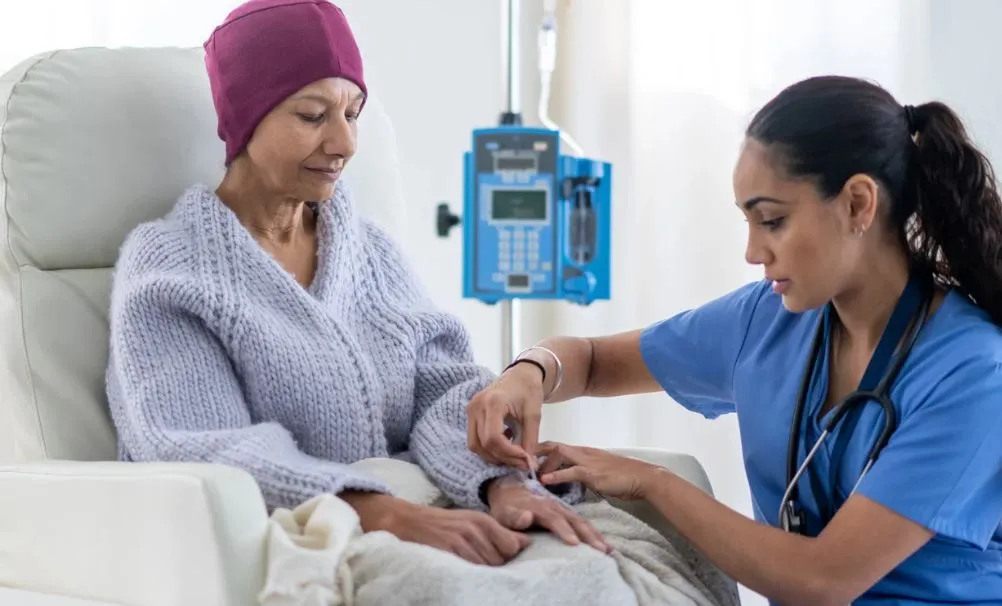
Cancer treatment can change more than how you feel day to day. It often affects your skin in ways that are not immediately obvious, especially when it comes to how it reacts to the sun. What once felt like normal exposure can suddenly lead to burning, irritation, or longer-term damage.
For many people, this shift comes as a surprise, particularly when the focus has been on treatment itself rather than its side effects. Understanding how different treatments influence your skin, both during and after care, helps you take practical steps to protect it and reduce future risks.
Key Takeaways
- Cancer treatments can make skin more sensitive to sunlight, causing quicker burning, irritation, and increased long-term damage risk.
- Chemotherapy medications may heighten sun sensitivity during treatment and for some time afterwards.
- Radiotherapy can cause skin reactions in treated areas, which need extra protection from strong sunlight during healing.
- People who have had skin cancer face a higher chance of recurrence or developing new skin cancers elsewhere.
- Ongoing skin checks, sun protection, and advice from medical specialists help detect problems early and support healthier recovery.
How Chemotherapy Affects Your Skin in the Sun
Chemotherapy can change how your skin responds to sunlight. Certain medications make the skin more prone to burning, both during treatment and for a period after it ends. In some cases, these changes may also be linked to a higher likelihood of developing some types of skin cancer. If that happens, see how long treatment takes to know what to expect
Because each treatment plan is different, your care team is the best source of advice for your situation. They can explain how your medication may affect your skin and suggest practical ways to reduce sun-related risks. You can also refer to trusted treatment guides or official medical databases to learn more about specific drugs.
How Other Cancer Treatments Increase Sun Sensitivity
Chemotherapy is not the only treatment that can affect your skin. Other cancer therapies may also heighten your sensitivity to sunlight, making it easier for your skin to react or burn. Photodynamic therapy is a common example. These effects can persist throughout treatment and may last for several months after treatment.
As the impact varies depending on the type of treatment, it is helpful to speak with a specialist at a trusted skin clinic. They can offer advice suited to your care plan and direct you to reliable sources of information about your medications.
How Radiotherapy Changes Your Skin Response to Sunlight
Radiotherapy often causes changes in the treated area. Skin reactions may begin around 10 days after treatment starts and can take time to settle. In many cases, the skin begins to recover within a few weeks after treatment has finished, although the healing process can vary.
It is important to keep the treated area protected from strong sunlight during and after radiotherapy. There is also a higher risk of skin cancer developing in the affected area.
Your radiographer will explain what changes to expect and how to properly care for your skin. Their guidance can help you manage any discomfort and support your healing.
Managing Sun Exposure After Skin Cancer Treatment
If you have previously had skin cancer, there is a greater chance it could return in the same area. This is known as a recurrence. See can skin cancer come back for how to monitor it. You may also be more likely to develop a new skin cancer in another part of your body.
Your doctor will discuss with you what this means and provide guidance on:
- how to monitor your skin
- how frequently to check your skin
- signs and symptoms to watch for
Ongoing checks help spot changes early. A melanoma specialist can provide further support based on your history and more information about monitoring your skin after melanoma and non-melanoma skin cancer.
Skin Risks with a Weakened Immune System
Your immune system helps protect your body from illness and infection. Some medical conditions and treatments can reduce its effectiveness, leaving you more vulnerable to certain health issues.
When the immune system is suppressed over a long period, the risk of developing skin cancer can increase. This may apply if you have had an organ transplant and take medication to reduce immune activity, or if you are living with conditions such as HIV or HPV.
FAQs
Is it okay to sit in the sun while having chemotherapy?
Spending time in the sun requires extra care during chemotherapy. Wearing protective clothing and using SPF 30 sunscreen can help reduce exposure, and it is best to stay out of direct sunlight. These precautions are particularly relevant for people going through or recovering from treatment.
What is the 2-week rule for skin cancer?
The 2-week rule, also known as the 2-week wait pathway, is a guideline to ensure that people with possible signs of skin cancer are seen by a specialist promptly. Patients with concerning symptoms, such as changing, bleeding, or non-healing lesions, are referred for assessment within 2 weeks, enabling faster diagnosis.
Is sun exposure bad for cancer patients?
Some cancer treatments can make the skin more sensitive to sunlight. Patients are often advised to limit direct sun exposure during treatment and for a period afterwards. The care team at your skin cancer clinic can provide advice based on your treatment plan.
How long after chemo can I get in the sun?
Sensitivity to sunlight may persist for 1 to 2 months after chemotherapy ends. If you have had cancer, take a cautious approach to outdoor activities by limiting direct sun exposure and choosing shaded areas whenever possible.
Why paint nails black during chemo?
Some people choose to use dark nail polish or UV-protective varnish to help shield their nails from sun exposure during chemotherapy. However, some healthcare providers may ask you to remove your nail polish so they can clearly check for signs of inflammation, pain, or infection.
