
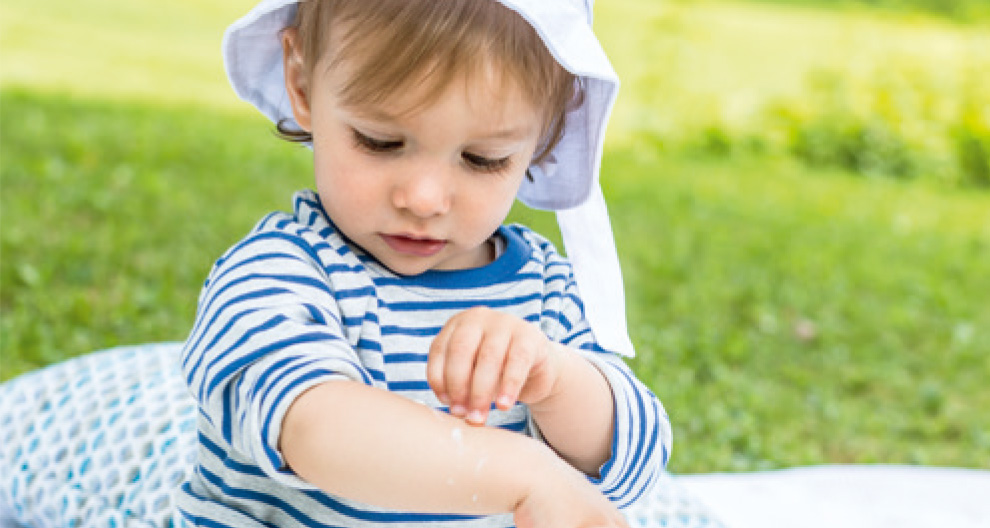
Babies and toddlers spend a lot of time outdoors, whether it is during walks, playground visits, or family outings. While fresh air and sunshine can be enjoyable, young children are especially vulnerable to the harmful effects of ultraviolet (UV) radiation. A single blistering sunburn during childhood can more than double the risk of melanoma later in life, but there are ways to help protect babies and toddlers’ skin.
Why Babies and Toddlers Need Strong Sun Protection
When UV rays reach the skin, they penetrate cells called melanocytes and can damage DNA within the skin. Babies and toddlers have lower levels of melanin, which is the pigment that helps protect the skin from ultraviolet radiation. This is why young skin is delicate and far more sensitive to sun exposure than adult skin.
This damage may not always be visible straight away. However, repeated exposure over time increases the likelihood of long-term skin problems, including skin cancer. Research has shown that severe sunburns during childhood significantly raise the risk of melanoma later in life.
Sun protection during the earliest years, especially for families with a history of skin cancer, lighter skin tones, or children with very fair hair, is therefore not just about preventing redness or discomfort today. It also helps reduce cumulative sun damage that may lead to skin problems decades later.
Key Takeaways
- Young children have more delicate skin and need strong sun protection due to higher UV sensitivity and long‑term damage risks.
- Infants under 6 months should be kept out of direct sunlight and protected with shade and clothing rather than sunscreen.
- Use sun‑protective clothing and wide‑brimmed hats as primary barriers against UV exposure for all young children.
- Apply sunscreen about 30 minutes before going outside and reapply regularly, especially after swimming or sweating.
- Shade should be sought during peak UV hours, and portable shade can help when natural shade isn’t available.
- Protect children’s eyes with quality sunglasses that block UVA and UVB rays.
Sun Safety for Infants (0–6 Months)
Infants younger than six months require special care when it comes to sun exposure. Their skin is extremely sensitive, and most health professionals recommend avoiding sunscreen at this age. Instead, physical protection and shade are the safest ways to protect infants.
Keep Infants Out of Direct Sunlight
Whenever possible, keep infants out of direct sunlight. Plan outdoor walks early in the morning before 10 AM or later in the afternoon after 4 PM, when UV radiation is less intense.
If you need to be outdoors during the middle of the day, stay in shaded areas, such as covered walkways, tree shade, and sheltered seating areas.
Portable shade can also provide additional protection during outdoor outings. Stroller shades and umbrellas reduce direct sun exposure while allowing air circulation. In the car, removable mesh window shields or UV window film help block sunlight without affecting visibility.
Use Sun-Protective Clothing and Hats as a First Line of Defence
Clothing that covers the arms and legs offers one of the most reliable forms of sun protection. Unlike sunscreen, it does not wear off or require reapplication during the day. See what UPF clothing is and how it helps.
Sun-protective clothing is designed with fabrics that have tighter weaves or special materials that block ultraviolet radiation more effectively. Darker colours and tightly woven fabrics generally provide stronger protection than lighter materials with looser weaves.
Many sun-protective garments include an Ultraviolet Protection Factor (UPF) label. It indicates how much UV radiation can penetrate the fabric. For example, a fabric with a UPF rating of 20 allows only one-twentieth of the sun’s UV radiation to pass through it. This means the garment reduces UV exposure by approximately 20 times in the covered areas.
A wide-brimmed hat is another useful addition. Hats that shade the face, ears, and neck protect areas that burn easily. Introducing hats early also helps babies become comfortable wearing them as they grow.
Protect Children’s Eyes with Proper Sunglasses
Children’s eyes are particularly vulnerable to UV radiation. The skin around the eyes and eyelids is thinner and more sensitive than adult skin. In addition, the lens of a child’s eye allows more sunlight to reach the retina.
Repeated exposure to ultraviolet radiation over time has been associated with conditions such as cataracts and macular degeneration. Because this damage accumulates gradually, early protection is important. Quality sunglasses can protect both the eyes and the surrounding skin.
When choosing sunglasses for children, several features are worth considering:
- Lenses that block at least 99% of both UVA and UVB rays
- Wraparound styles that cover more of the eye area
- Impact-resistant plastic lenses suitable for active play
- Flexible frames that fit snugly and remain comfortable
If your infant develops severe sunburn, persistent redness, or unusual skin changes after sun exposure, consider seeking medical advice. A consultation at a skin cancer clinic can help assess sun-related skin damage and provide guidance on protecting sensitive skin as your child grows.
Sun Safety for Babies (6–12 Months)
Once babies reach six months of age, sunscreen can be added to their sun protection routine. Even so, sunscreen should be combined with other protective measures, such as clothing, shade, and hats.
Introduce Sunscreen Safely
Choose a broad-spectrum sunscreen with an SPF of at least 30. Products designed for infant skin are usually gentler and less likely to irritate the eyes. See mineral sunscreen benefits for more on gentler formulas.
Before using a new sunscreen, test a small amount on a limited area of the baby’s skin to check for irritation or allergic reactions. Fragrance-free and hypoallergenic formulas are often better suited for sensitive skin.
Apply and Reapply Sunscreen Correctly
Sunscreen should be applied around 30 minutes before going outdoors so it has time to form a protective layer on the skin. Reapply every two hours while outdoors, and sooner if the baby has been swimming or sweating. Water-resistant sunscreens can provide some protection during water play, but they still require regular reapplication.
Continue Physical Sun Protection
Sunscreen works best when it supports the same shade and clothing strategies already used during the first six months. Shade, protective clothing, hats, and sunglasses should continue to be part of your baby’s outdoor routine.
Sun Safety for Toddlers and Preschool-Age Children
As children grow into toddlers, they become more active and spend more time playing outside. At this stage, sun protection requires a little more planning and consistency.
Encourage Shade During Peak Sun Hours
UV radiation is strongest between 10 AM and 4 PM. When possible, schedule outdoor play earlier in the morning or later in the afternoon. The same timing advice applies for family trips — see staying sun safe at beach.
If children are playing outside during these hours, ensure that shaded areas are available. Trees, shade sails, covered playgrounds, and umbrellas can help reduce direct sun exposure.
Dress Toddlers in Protective Clothing
Clothing remains one of the most effective ways to protect skin from the sun. Long-sleeved shirts and lightweight pants, ideally made with breathable fabrics, can help cover areas that would otherwise be exposed.
Teach Sun Safety Habits Early
Toddlers can begin learning simple sun safety habits. Encourage them to wear their hats before going outside and remind them to keep their sunglasses on while playing. Caregivers, grandparents, and childcare providers should also follow the same sun protection practices.
If you notice unusual moles, skin changes, or persistent sun damage in your child’s skin, it is recommended to visit a skin clinic for professional assessment.
Build Sun Protection Habits Early for Lifelong Skin Health
The habits you build during infancy and toddlerhood help protect your child’s skin well into the future. By combining shade, protective clothing, hats, sunglasses, and appropriate sunscreen use, parents can significantly reduce the amount of UV exposure young children receive.
If you notice persistent sun damage, unusual moles, or other skin changes on your child’s skin, consult a melanoma specialist. Acting early allows concerns to be properly assessed and helps you stay proactive about protecting your child’s skin.
FAQs
Why is sun protection important for babies and toddlers?
Babies and toddlers have delicate skin that is more sensitive to UV radiation than adult skin. This makes them more prone to sunburn and long-term damage from even short periods of exposure. Early sun damage can increase the risk of skin issues later in life, including skin cancer. Because their skin has not fully developed protective mechanisms, consistent sun protection is important. Taking steps to limit exposure and protect their skin helps support healthier development and reduces the risk of future complications.
Can babies wear sunscreen?
Sunscreen can be used for older babies and toddlers, but it is generally recommended to prioritise physical protection for younger infants. Keeping babies under six months out of direct sunlight is the safest approach. For older infants and toddlers, a gentle, broad-spectrum sunscreen can be applied to exposed areas when other protective measures are not sufficient. Choosing a formulation designed for sensitive skin helps reduce the risk of irritation. Sunscreen should be used alongside clothing and shade rather than as the only form of protection.
What are the best ways to protect young children from the sun?
Protecting babies and toddlers involves a combination of strategies. Keeping them in the shade, especially during peak UV hours, helps reduce exposure. Dressing them in lightweight, protective clothing such as long sleeves and wide-brimmed hats provides additional coverage. Using a stroller shade or umbrella when outdoors can also help. Sunscreen can be applied to exposed areas when appropriate. Using multiple layers of protection ensures better coverage and helps reduce the risk of sunburn.
How often should sunscreen be reapplied for toddlers?
For toddlers, sunscreen should be reapplied regularly to maintain its effectiveness. It is generally recommended to reapply every two hours, or more often if the child has been swimming, sweating, or wiped with a towel. These activities can remove sunscreen from the skin, reducing its protective effect. Applying a generous amount each time ensures better coverage. Keeping sunscreen on hand makes it easier to maintain protection throughout the day.
What time of day should babies and toddlers avoid the sun?
Babies and toddlers should avoid direct sun exposure during peak UV hours, which typically occur in the middle of the day. During this time, the intensity of UV radiation is higher, increasing the risk of sunburn and skin damage. Planning outdoor activities for early morning or late afternoon helps reduce exposure. When going outside during peak times is unavoidable, extra care should be taken to use shade, protective clothing, and sunscreen to minimise risk.
