
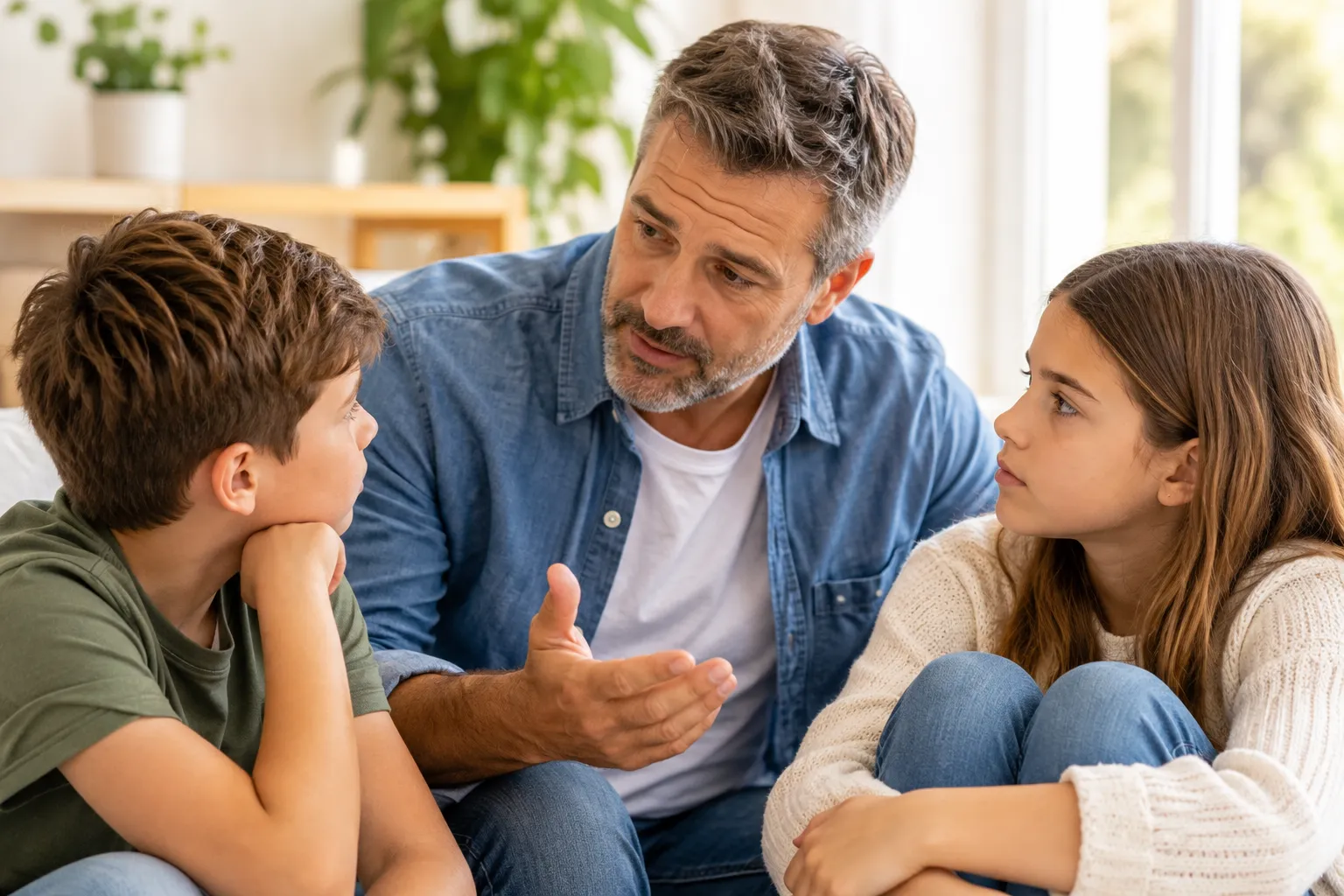
A skin cancer diagnosis comes with plenty to process, and deciding what to tell your children can feel like the toughest part. You may want to shield them, but kids are quick to notice hushed phone calls, worried looks and extra trips to the doctor. Your family is far from alone in this, with a University of Sydney researcher reporting that around 21,000 Australian teenagers and young adults learn each year that a parent has cancer. Most children cope well when they hear the truth in a way that suits their age, and the steps below will help you prepare for that talk.
Key Takeaways
- Start conversations about skin cancer early, using simple, age-appropriate language that children can understand.
- Explain how UV exposure can damage skin and increase the risk of skin cancer later in life.
- Teach practical sun protection habits, including wearing sunscreen, protective clothing, hats and sunglasses.
- Encourage children to seek shade and avoid excessive sun exposure, particularly during peak UV periods.
- Lead by example by making sun safety part of everyday family routines and outdoor activities.
1. Know Your Diagnosis Inside Out
Your children will turn to you for answers, so get a clear picture of your own situation before you sit down with them. Ask your doctor which type of skin cancer you have, what treatment will involve and how long recovery should take. Many skin cancers are found early and removed with a minor procedure, while melanoma and some other types may need further treatment and closer follow-up.
If you have been referred to a melanoma treatment specialist, bring a written list of questions to your first appointment. Clear answers will help you explain things with confidence, and that comes through to your children, who often take their cue from how you seem.
2. Find the Right Setting for the Conversation
Choose a relaxed moment at home when nobody is in a hurry, tired or hungry. Avoid bedtime, the morning school rush or the lead-up to a big event. If you share parenting with a partner, agree beforehand on what you will each say so your children hear one consistent message.
For families with kids of different ages, it can help to tell everyone together first. You can then make time for one-on-one chats, where each child can ask questions at their own level.
3. Keep Your Words Simple and Truthful
Use the words ‘skin cancer’ rather than softening them to ‘a spot’ or ‘a bump’. When children only get part of the picture, they often imagine something far worse than the reality.
Short, clear sentences work best, such as ‘I have a type of skin cancer on my back, and the doctor is going to cut it out. I will need stitches for a couple of weeks while it heals’. How much detail you add from there depends on your child’s age.
- Under five: Keep it basic and focus on what will look different at home, such as a sore patch they need to be gentle around.
- Primary school age: Explain what skin cancer is, what the doctor plans to do and who will look after them while you are at appointments.
- Teenagers: Share more of the detail. Teens can often find information online, so it is better that the first version they hear comes from you.
4. Answer the Questions on Their Minds
Some worries are common among children whose parent has cancer, and your kids may never say them out loud. Raise these points gently rather than waiting for a question.
- It is not their fault. Younger children can believe something they thought or did made a parent unwell.
- It is not catching. Skin cancer does not spread from person to person, so hugs and cuddles are still safe.
- Someone will care for them. Let them know who will handle school drop-offs, sport or other activities on appointment days.
5. Let Them Ask Anything, Anytime
Tell your children that questions are always welcome, whether they come up straight away or weeks later. You do not need every answer ready. A reply such as ‘That is a good question, and I will ask my doctor about it’ is perfectly fine and shows them you will be straight with them.
Keep checking in with them after that first talk. The same Australian research found young people with a parent who has cancer report distress levels three to six times higher than their peers. Relaxed chats in the car or around the dinner table give them an easy chance to share how they are feeling.
6. Stick to Your Everyday Routines
A predictable routine gives children a sense of security while other parts of life are uncertain. Keep school, sport, mealtimes and bedtimes as consistent as you can through treatment and recovery. A quiet word with your child’s teachers also helps, so they can keep an eye out for any shifts in mood or behaviour at school.
7. Teach Your Kids Sun-Safe Habits for Life
Your diagnosis also gives you a natural reason to talk about protecting their own skin. Make sunscreen, a hat and time in the shade a normal part of every trip outdoors. As your kids grow up, encourage them to get to know their own skin and to book regular skin cancer checks once they are adults.
8. Look After Your Own Wellbeing
These conversations can be emotional for you too, so ask for support whenever you need it. Your partner, close friends, GP or a counsellor can all help you work through what you are feeling. Cancer Council (13 11 20) and Canteen also offer free support for parents and young people affected by cancer.
Start the Family Conversation With Clear Answers
Skin cancer found early is generally easier to treat, and a clear diagnosis is far easier to explain to your children. If a spot on your skin has been worrying you, book an appointment with our team today.
Frequently Asked Questions
Should I tell my kids I have skin cancer?
Yes, in most cases it is best to tell them. Children can usually tell when something is not right, and being left in the dark often makes them more anxious. Simple, honest explanations that suit their age help them feel secure and trust that you will keep them informed.
What age should children be told about a parent’s cancer?
Children can be told at any age, provided the information matches their stage of development. Toddlers only need a few plain words about what will change at home. Primary school children can take in the basic facts, while teenagers often want a fuller picture.
What if my child asks if I’m going to die?
Give an honest answer in a calm voice. Most skin cancers respond well to treatment, particularly when they are found early. You could say something like, ‘This kind of skin cancer can usually be treated, and my doctors are doing everything they can to help me get well’. Try not to make promises you may not be able to keep.
Is skin cancer hereditary?
Usually, no. Skin cancer is mainly caused by UV exposure rather than inherited genes. A family history of melanoma can still raise your children’s risk, as can shared features such as fair skin or a high number of moles. Sun-safe habits taught early and routine checks with a doctor can help protect them.
How do I know if my child isn’t coping?
Look out for changes in behaviour, such as poor sleep, clinginess, angry outbursts, slipping grades or pulling away from friends. Some upset is a normal reaction to difficult news. If the signs continue for more than a few weeks, speak with your GP, their school counsellor or a support service such as Canteen.
