
The saying “prevention is better than cure” cannot be more accurate, especially in matters concerning health. When talking about general health, the skin is one organ that often reflects the body’s health status and thus demands care. Given that the skin is the most visible part of the body that conceals and protects other vital organs, it is very susceptible to diseases. A major concern is skin cancer.
Cancer is referred to as abnormal growth, and skin cancer refers to an abnormal growth on skin cells. The chances of developing skin cancer today are high, considering that Ultraviolet rays from the sun are one of the primary causes. Our everyday activities constantly expose us to harsh rays from the sun. Because of this, there is a strong need to take preventive measures that protect you from developing skin cancer.
Key Takeaways
- PDT is a non‑invasive skin cancer treatment that uses a photosensitising agent activated by light to kill abnormal skin cells without surgery.
- The treatment targets cancerous or precancerous cells selectively, minimising damage to healthy skin tissue.
- PDT is particularly effective for superficial skin cancers such as early basal cell carcinoma, squamous cell carcinoma, and sun‑damaged lesions.
- It typically requires multiple sessions and a short recovery period, during which sun avoidance is crucial due to increased photosensitivity.
- Side effects are usually mild, including temporary redness, swelling, and sensitivity similar to sunburn.
This article will focus on the photo dynamic therapy method of treating skin cancer and factors to consider before undergoing it. Please ensure to read to the end for more eye-opening information.
What is Photo Dynamic Therapy?
Photodynamic therapy, or PDT for short, is a form of skin cancer treatment where active liquids are used to kill cancerous skin cell bodies. These active liquids are designed such that they only affect abnormal skin cells. The treatment is a non-invasive procedure as no surgery is required.
How Does Photo Dynamic Therapy Work?
Given that PDT is a field treatment where treatment is done an area at a time, the active liquid is spread over an area where it is allowed to absorb into the skin and incubate abnormal cells. The absorption and incubation process can take between 1-3 hours.
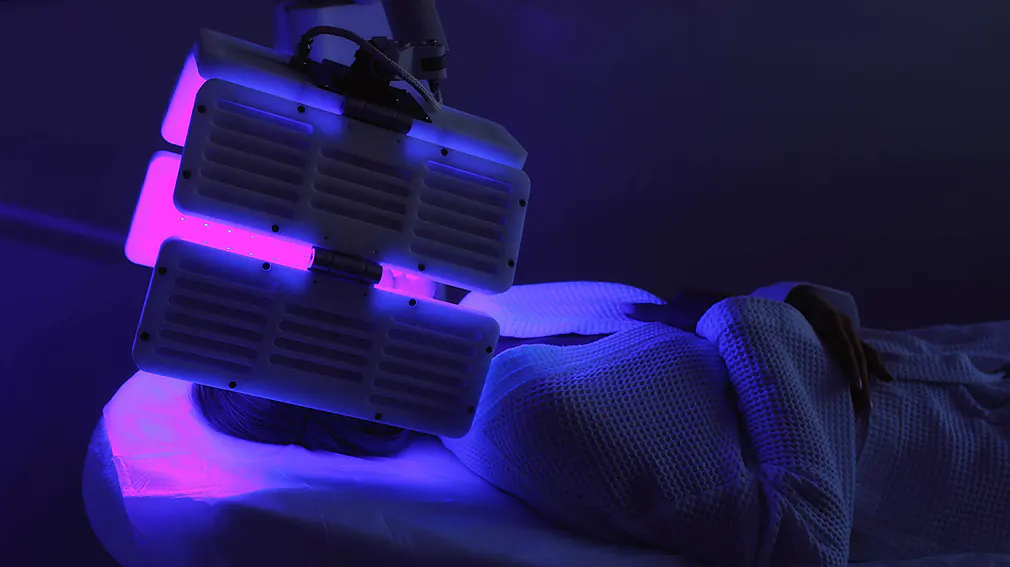
A red and blue LED light is then passed over the area after the absorption and incubation. The process of passing the LED light causes the active liquids to react, killing the abnormal or cancerous cells. However, this treatment does not affect the normal and healthy cells.
Who is Best Suited for Photo Dynamic Therapy?
PDT is mainly used on patients with a history of minor basal cell carcinoma (BCC) or squamous cell carcinoma (SCC) cancer cases, as it is a very effective procedure in killing these cancer cells. It is also effective in removing sun spots. However, using. PDT for advanced BCC or SCC cancers occurs only after excision has been performed, and PDT is then used to kill the remaining cancer cells.
How Painful is PDT?
The level of pain experienced depends on how professional the skin specialist is. Experienced specialists will be able to keep discomfort to a minimum. A successful PDT is characterised by minor discomfort and skin redness.
PDT requires a short period of recovery ranging from 7-14 days. Considering how fragile your skin becomes post-therapy, it is essential to minimise your skin’s exposure to sunlight by staying indoors throughout the recovery process to avoid any complications.
Tips for Photo Dynamic Therapy
- Ensure to visit a dermal therapist at least two weeks before the commencing treatment.
- Ensure that your skin doctor recommends PDT before considering the treatment.
- Make arrangements for pre-and post-PDT.
FAQs
What is photodynamic therapy (PDT) for skin cancer?
Photodynamic therapy (PDT) is a treatment used to target certain types of skin cancer and pre-cancerous lesions. It involves applying a light-sensitive cream to the affected area, which is absorbed by abnormal cells. After a set period, the area is exposed to a specific light source that activates the solution. This process destroys damaged cells while minimising impact on surrounding healthy tissue. PDT is commonly used for superficial skin cancers and conditions like actinic keratosis, offering a non-surgical treatment option.
How does photodynamic therapy work?
PDT works by combining a photosensitising agent with a controlled light source. First, the treatment area is prepared and the cream is applied, allowing it to penetrate the skin over several hours. Once absorbed, the area is exposed to a specialised light that activates the solution. This reaction produces a targeted effect that damages and eliminates abnormal cells. The process focuses on affected areas while limiting damage to nearby healthy skin, making it a precise treatment method for certain skin conditions.
What types of skin conditions can PDT treat?
Photodynamic therapy is commonly used to treat superficial forms of skin cancer, including some basal cell carcinomas and Bowen’s disease. It is also effective for actinic keratosis, which are pre-cancerous lesions caused by sun damage. Because PDT works on the surface layers of the skin, it is best suited to conditions that have not penetrated deeply. A professional assessment is required to determine whether PDT is appropriate for a specific condition.
What should you expect during and after PDT treatment?
During PDT, you may experience a tingling or burning sensation when the light is applied, which varies depending on individual sensitivity. After treatment, the skin often appears red and may feel similar to sunburn. Some swelling or peeling can occur as the treated area heals. Recovery times vary, but most people notice improvement as the skin repairs itself over the following days or weeks. It is important to follow aftercare instructions, particularly avoiding sun exposure while the skin is sensitive.
Is photodynamic therapy an effective skin cancer treatment?
PDT can be an effective option for treating certain superficial skin cancers and pre-cancerous conditions when used appropriately. It targets abnormal cells while preserving surrounding tissue, which can result in good cosmetic outcomes. However, its effectiveness depends on the type and depth of the condition being treated. It may not be suitable for more advanced or deeper skin cancers. A thorough assessment ensures the treatment plan matches the condition, providing the best possible outcome.
Conclusion
There are several methods of preventing skin cancer. However, this article has highlighted all you need to know about one of the most-effective clinical treatment methods used in modern medicine, photodynamic therapy.
If you’d like to learn more about the photodynamic therapy treatment services that we offer, please contact us today.
