
When a doctor points at a spot and says it needs a closer look, your mind rarely stays on the spot itself. It jumps straight to the calendar: how many appointments and how soon life gets back to normal. For most skin cancers, the answer is that the process is quicker and simpler than people expect.
Key Takeaways
- Treatment time varies depending on the type and stage of skin cancer, with early, low-risk cancers often treated much faster than advanced or complex cases.
- Many common skin cancers can be removed in a single outpatient procedure, often completed within 30–60 minutes under local anaesthetic, although healing typically takes several weeks.
- Additional pathology testing may extend the timeline, as tissue samples are examined to confirm all cancer cells have been removed before treatment is considered complete.
- Some patients require further treatment, such as wider excision, skin grafts, or radiotherapy, which can extend the overall recovery period from weeks to several months.
- Follow-up appointments remain an important part of treatment, helping monitor wound healing, detect recurrence early, and ensure long-term skin health through regular skin checks.
Step 1: The Skin Examination That Starts It All (Same Day)
Everything begins with a professional skin examination. A doctor checks your skin from head to toe, often using a handheld magnifying tool called a dermatoscope to inspect anything unusual.
The appointment takes 15 to 30 minutes, and you get an answer on the day about whether a spot needs further investigation. If nothing looks concerning, that is where things end until your next scheduled skin check. If a spot does stand out, the next step is usually a biopsy.
Step 2: Taking a Sample and Waiting on Pathology (1–3 Weeks)
A biopsy involves removing a small sample of the suspicious spot or sometimes the entire spot, so it can be examined under a microscope. The procedure is done under local anaesthetic and takes only a few minutes.
The wait that follows is usually the hardest part, mostly because it involves not knowing. A pathologist needs to process and review the sample, and most patients receive their results within 1 to 3 weeks. It can take a little longer if additional testing is required.
Step 3: Discussing Your Results and Mapping Out Treatment (Same Appointment)
Once the results are back, you will have an appointment to talk through what they mean and what happens next. If the spot is non-cancerous, you may simply be advised to keep an eye on your skin. If it is skin cancer, your doctor will explain the type, the recommended treatment, and how long it is likely to take.
For most basal cell and squamous cell carcinomas, the plan involves a simple excision. Melanoma is treated with more urgency and may involve a wider excision or a referral to a melanoma specialist.
Step 4: The Treatment Stage (Same Day to a Few Weeks)
This is where the timeline varies most, depending on the type and stage of the cancer.
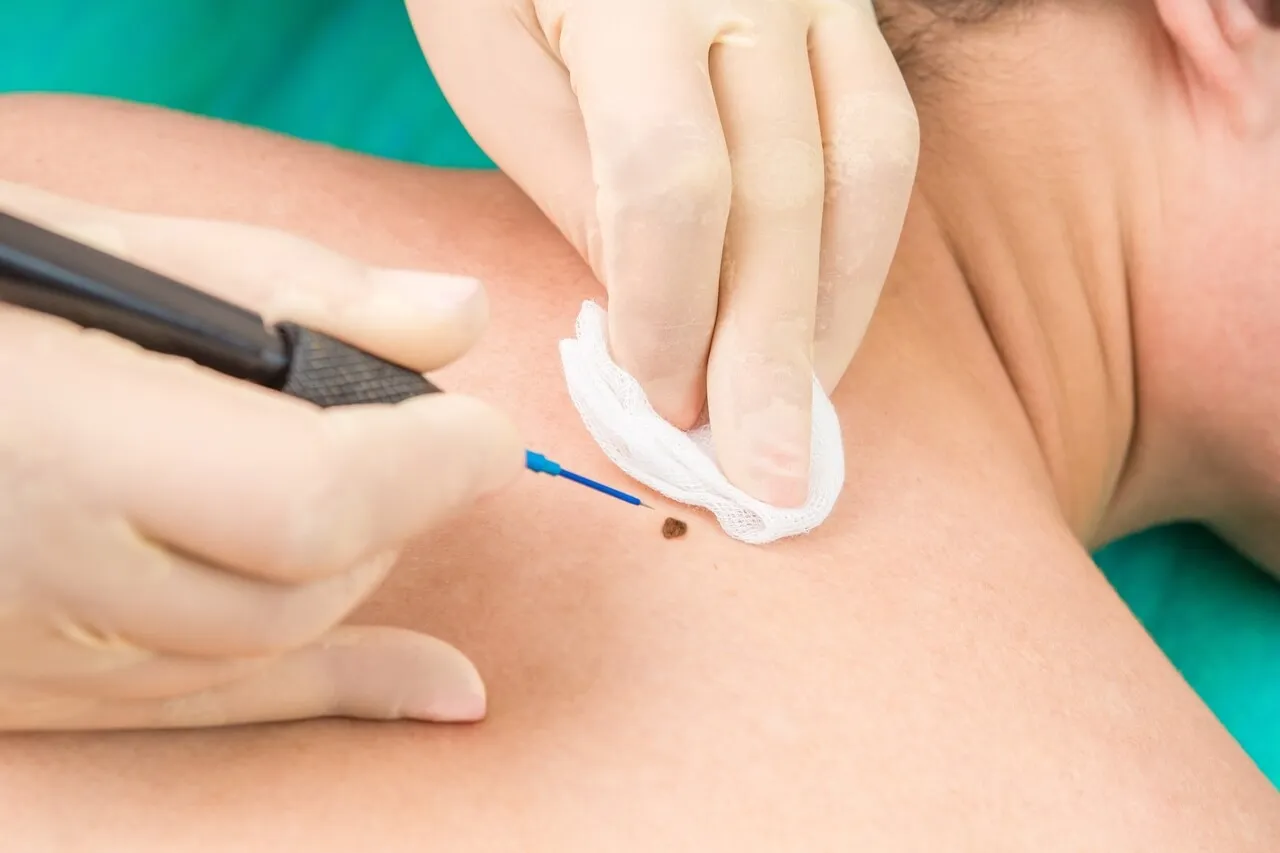
- Simple excision: Most basal cell and squamous cell carcinomas are removed in a single procedure under local anaesthetic, often in under an hour. You can usually go home the same day. For some superficial cancers, photodynamic therapy is used instead of surgery.
- Wider excision for melanoma: If melanoma is diagnosed, a second, wider excision is often needed to remove all cancerous cells along with a safe margin of surrounding tissue. This is generally scheduled within a few weeks of diagnosis.
- Other treatments: Depending on the type, size and location of the cancer, your doctor might instead recommend cryotherapy (freezing), a topical treatment, or radiation therapy. These can involve several sessions spread over a number of weeks rather than a single appointment.
Australian data shows how quickly cancer-related surgery happens once it is needed. According to the Australian Institute of Health and Welfare, the median wait time for cancer-related elective surgery in Australian public hospitals was 23 days in 2024–2025, compared with 60 days for non-cancer surgery. Private clinics are not tied to public waiting lists, so treatment there often happens sooner.
Step 5: Recovery and Wound Healing (1–4 Weeks)
After a simple excision, most wounds heal within 1 to 2 weeks. Larger excisions, or those in areas under more skin tension, such as the lower legs, can take 3 to 4 weeks to heal fully. The skin cancer clinic will give you specific wound care instructions and let you know when any stitches need to come out. See how to protect your skin during treatment and recovery.
Step 6: Follow-Up Checks and Long-Term Monitoring
Skin cancer treatment does not end the moment the wound heals. Follow-up appointments confirm the site has healed properly and check that the cancer has not returned. How often you are checked depends on the type of cancer and your personal risk factors, but reviews are commonly scheduled every 3 to 12 months during the first few years. See can skin cancer come back for what to watch for. The numbers behind local excision explain why doctors reach for it first. Research published by Elsevier B.V. on behalf of the Royal College of Pathologists of Australasia reports cure rates of around 91% to 95% following local excision for squamous cell carcinoma, making it the standard first-line approach for most non-melanoma skin cancers.
What the Full Timeline Looks Like From Start to Finish
For a typical basal cell or squamous cell carcinoma, the entire process, from first appointment to a fully healed excision site, often takes between 4 and 8 weeks. Melanoma and more complex cases can take longer, particularly when a wider excision or specialist referral is involved.
Things move quickly once a plan is in place. The wait after a biopsy tends to feel like the longest stretch, yet it is usually one of the shortest steps in the whole process.
How Acting Early Keeps Your Treatment Timeline Short
The earlier a skin cancer is found, the simpler and faster treatment tends to be. Small, early-stage cancers often need nothing more than a single excision, while cancers left longer can require more extensive treatment and a longer recovery.
Get Ahead of Skin Cancer With an Early Check
One of the simplest ways to keep any future skin cancer treatment timeline short is to book a skin cancer check regularly, not just when something looks obviously wrong. An early professional opinion is the best way to keep things simple and get back to normal life as quickly as possible.
Your Skin Cancer Treatment Questions, Answered
How long does it take to remove skin cancer?
Most simple excisions take under an hour and are completed the same day under local anaesthetic. Larger or more complex cases, such as melanoma requiring a wider excision, may need a separate follow-up procedure a few weeks later.
How long does it take to get biopsy results back?
Biopsy results usually come back within 1 to 3 weeks. If a sample needs further testing, your wait may stretch a little past that window, and your clinic will let you know if that happens.
Is skin cancer treatment done in one visit?
Often, yes, for smaller basal cell or squamous cell carcinomas removed by simple excision. Melanoma and larger or more complex cancers usually require an additional procedure or specialist referral, which extends the overall timeline.
How long does it take to heal after skin cancer surgery?
Most excision wounds heal within 1 to 2 weeks. Larger excisions, or those in areas with more skin tension such as the lower legs, can take 3 to 4 weeks to heal fully.
How often will I need follow-up appointments after treatment?
This depends on your cancer type and risk factors, but follow-up checks are typically scheduled every 3 to 12 months in the first few years after treatment, then adjusted based on your ongoing risk.
