
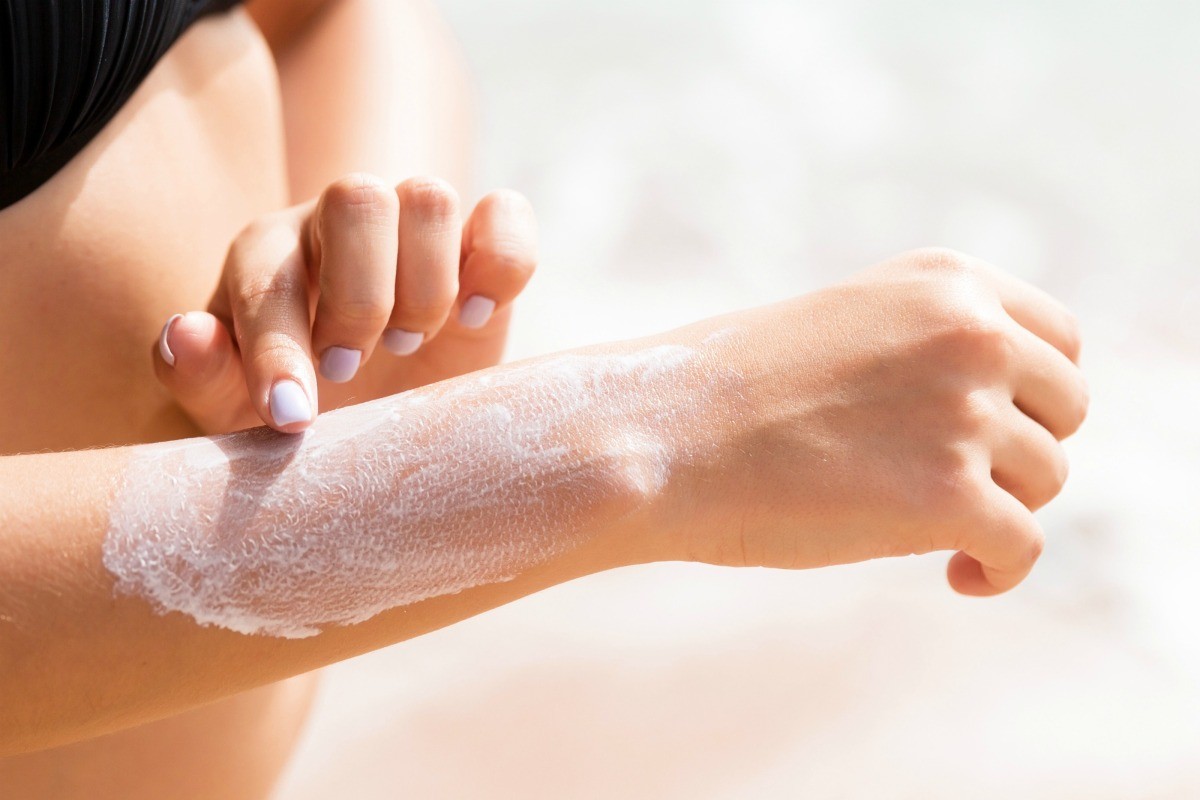
It happens every year. Summer arrives, the beach bag comes out of storage, and an old bottle of sunscreen appears at the bottom. It might still look usable, but many people pause and wonder the same thing: is it still safe to use?
Why Sunscreen Has a Limited Shelf Life
Sunscreen does not last forever. Both mineral and chemical formulas contain active ingredients that slowly break down over time. These ingredients are responsible for protecting the skin from ultraviolet radiation, but their effectiveness gradually decreases as the product ages.
Environmental conditions can also speed up this process. Heat, humidity, and repeated exposure to sunlight can cause sunscreen ingredients to degrade faster than expected. For this reason, even a sunscreen that looks fine on the outside may not deliver the level of protection printed on the label if it has been stored poorly or kept for too long.
Key Takeaways
- Sunscreen’s active ingredients degrade over time, reducing its ability to protect against UV radiation.
- Environmental factors like heat, humidity and sunlight exposure can accelerate sunscreen breakdown.
- Most sunscreens are formulated to remain effective for around three years from manufacture when stored properly.
- Visible changes in texture, colour or smell are signs the sunscreen may no longer be effective.
- Using sunscreen that has expired increases the risk of sunburn and long‑term skin damage due to inadequate UV protection.
- Expired sunscreen is generally not harmful itself, but should be replaced to ensure reliable sun protection.
Ways to Tell If Your Sunscreen Has Gone Bad
In many cases, expired sunscreen shows clear signs that the formula has begun to break down. Before using an older bottle, it helps to look for a few indicators that suggest it is time to replace it.
Start by Checking the Expiry Date
Most sunscreens are designed to remain effective for about three years from the date they are manufactured. Manufacturers usually print an expiry date on the packaging to indicate how long the formula should provide reliable protection when stored correctly. If the printed date has already passed, the product may no longer provide the SPF level listed on the bottle.
However, even when the expiry date has not yet arrived, the condition of the sunscreen itself should still be considered. Storage conditions and repeated exposure to heat can affect how long sunscreen remains effective.
Products exposed to high temperatures or direct sunlight can degrade much faster than expected, so bottles left in cars, beach bags, or outdoor areas may lose effectiveness even before the expiry date arrives.
Watch for Separation or Texture Changes
Sunscreen should have a smooth and consistent texture. If the product appears watery, clumpy, grainy, or separated into layers, the formula may no longer be stable.
Changes in texture often indicate that the ingredients have begun to break down, which can affect how evenly the sunscreen spreads on the skin.
Look for Discolouration
A noticeable change in colour can also signal that sunscreen has expired. If the product looks darker, yellowed, or way different from when it was first opened, the active ingredients may have started to degrade. Using discoloured sunscreen may result in uneven coverage and reduced protection.
Notice Any Unusual Smell
Sunscreen that smells sour, stale, or noticeably different from when it was first purchased may have deteriorated. A change in scent can indicate that the formula is no longer fresh. If the smell seems unusual or unpleasant, it is best to discard the bottle.
What Happens When You Apply Expired Sunscreen
When sunscreen ingredients degrade, the product may no longer block ultraviolet radiation as effectively as intended. This can increase the likelihood of sunburn and long-term sun damage, even when sunscreen has been applied.
Older bottles may also collect contaminants if they have been opened repeatedly or stored in warm environments. In some cases, this can lead to skin irritation or mild reactions.
Using expired sunscreen usually does not cause serious health problems, but it can reduce the protection your skin receives. For reliable protection, it is generally safer to replace sunscreen once it has expired or begun to change in appearance.
If you notice new or changing spots after repeated sun exposure, it may be worth having them assessed at a skin cancer clinic. A specialist can examine suspicious lesions and determine whether further investigation is needed.
How to Store Sunscreen Properly
Proper storage can help sunscreen remain effective for as long as possible. A few simple habits can prevent the ingredients from degrading prematurely.
- Do not leave sunscreen in hot environments, such as cars, where temperatures can rise quickly in direct sunlight.
- Store sunscreen in a cool, dry place indoors, such as a drawer or cabinet.
- After each use, wipe the cap clean and close the bottle tightly to reduce the risk of contamination.
Common Questions About Expired Sunscreen
People often ask similar questions when deciding whether an older bottle of sunscreen is still usable. These are some of the questions that frequently come up.
Is it ok to use expired sunscreen?
It is best to avoid using expired sunscreen. Once the product passes its expiry date, the active ingredients may no longer provide the SPF protection listed on the label. This increases the risk of sunburn and skin damage during sun exposure.
What does expired sunscreen look like?
Expired sunscreen often shows visible signs that the formula has broken down. The product may appear watery, clumpy, or separated into layers. Discolouration and an unusual smell are also common indicators that the sunscreen should be replaced.
Is expired sunscreen bad for your health?
Expired sunscreen is not usually harmful on its own. The larger concern is reduced protection from ultraviolet radiation, and when sunscreen no longer provides reliable coverage, the skin becomes more vulnerable to sunburn and long-term sun damage.
If you are unsure whether sun exposure has affected your skin, visit a reputable skin clinic. Specialists can perform a thorough skin assessment and recommend whether further examination is necessary.
Replace Expired Sunscreen Before Your Next Day in the Sun
Protect your skin from unnecessary exposure by checking the condition of your sunscreen before heading outdoors. If the expiry date has passed or the formula shows signs of deterioration, replace the bottle before heading out. Fresh sunscreen that has been stored properly is far more likely to provide the protection your skin needs during time in the sun.
If you have concerns about sun damage or notice changes in your skin, it may be worth seeking professional advice. A melanoma specialist can examine your skin, assess any suspicious spots, and provide guidance on protecting your skin from further damage.
FAQs
Is it safe to use expired sunscreen?
Using expired sunscreen is not recommended, as it may no longer provide the level of protection stated on the label. Over time, the active ingredients can break down, reducing the sunscreen’s ability to protect against UV radiation. This means your skin may be more exposed to sunburn and long-term damage without you realising it. Even if the product looks normal, its effectiveness cannot be guaranteed past its expiry date. For reliable protection, it is best to replace sunscreen once it has expired.
What happens to sunscreen after it expires?
After the expiry date, sunscreen can become less stable and lose its protective properties. The ingredients that block or absorb UV rays may degrade, making the product less effective. In some cases, the texture, colour, or smell may also change, which can indicate that the formula has broken down. These changes mean the sunscreen may not apply evenly or provide consistent coverage. Using an expired product increases the risk of sun damage because the level of protection is no longer reliable.
How can you tell if sunscreen has expired?
Most sunscreens include an expiry date printed on the packaging, which is the most reliable guide. If the date is no longer visible, changes in the product can offer clues. A different smell, separation of ingredients, or altered texture may indicate that the sunscreen is no longer suitable for use. Even if none of these signs are obvious, it is still safer to assume the product has lost effectiveness over time. When in doubt, replacing the sunscreen is the safer option.
Can expired sunscreen still offer any protection?
Expired sunscreen may still provide some level of protection, but it is likely to be reduced and inconsistent. Because the active ingredients degrade over time, the SPF rating on the label can no longer be relied upon. This creates a false sense of security, as you may think your skin is protected when it is not. For adequate defence against UV exposure, using a product within its valid period is important to ensure it performs as expected.
How should sunscreen be stored to maintain its effectiveness?
Proper storage helps preserve the effectiveness of sunscreen throughout its usable life. It should be kept in a cool, dry place and away from direct sunlight or excessive heat, as high temperatures can cause the ingredients to break down more quickly. Leaving sunscreen in hot environments, such as inside a car, can shorten its lifespan even before the expiry date. Storing it correctly helps maintain its consistency and ensures it provides the level of protection stated on the label.
