
Everybody loves the idea of being able to boast flawless skin. The beauty and benefits of flawless skin cannot be overemphasised. However, flawless skins are earned, not just thought of, so if you desire flawless skin, you need to put in the work needed to get flawless skin. This requires paying attention to your skin’s needs, drinking enough water to keep the skin hydrated, and more.
The main reason for taking care of the skin (asides from the ultimate goal of boasting flawless skin) is to prevent or address specific factors that affect the skin’s well-being and appearance. Some of these factors include poor nutrition, sunburn, and skin diseases, among a few. A skin disease that poses a severe threat to the skin’s well-being is skin cancer.
Skin Cancer is simply abnormal growth or development in the skin’s cells. The skin is made up of different layers; in these layers, some cells perform various functions. When these cells begin to experience abnormalities, it affects their performance, and these abnormalities are classified as skin cancer.
Key Takeaways
- Regular skin checks help you notice new or changing spots early, which increases chances of successful treatment if skin cancer develops.
- Early detection of skin cancer, especially melanoma, significantly improves treatment outcomes and survival rates.
- Becoming familiar with your own skin makes it easier to identify unusual changes that warrant professional assessment.
- Self‑examinations combined with professional checks provide comprehensive monitoring for suspicious lesions or growths.
- People with risk factors should be particularly vigilant with regular skin checks.
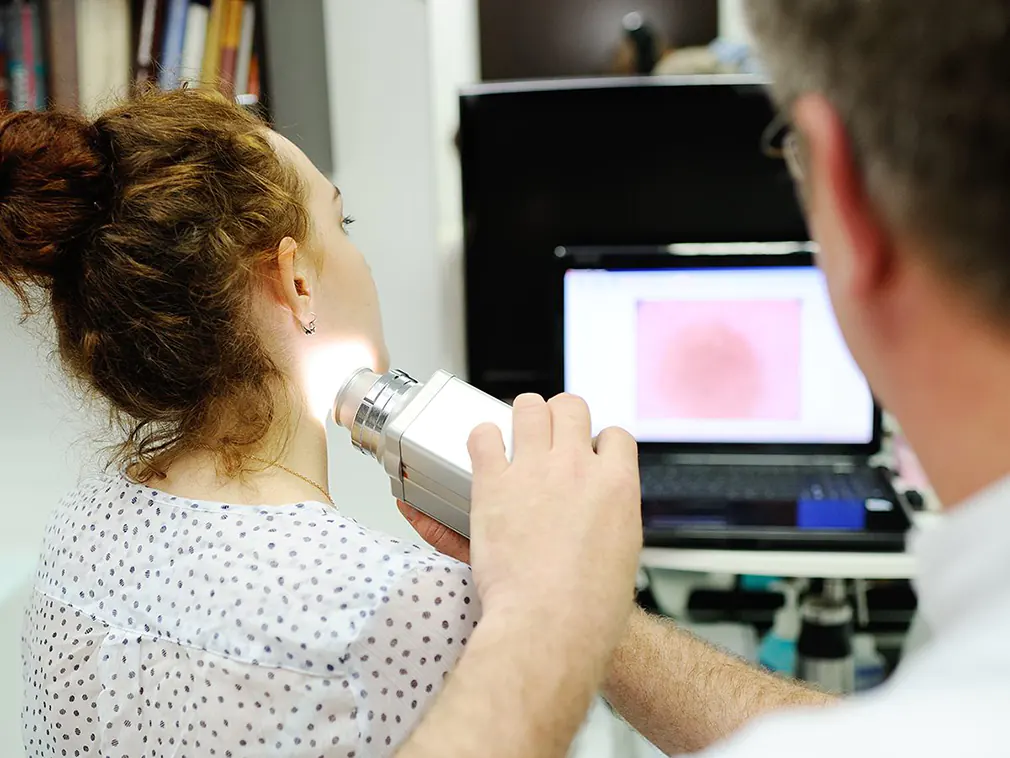
There is no known cure for skin cancer; still, there is hope for treatment when it is discovered in its early stages. And the only proven way to discover skin cancer in its early stages is to conduct regular skin cancer checks. This procedure examines the body for suspicious changes or abnormal formations and growths. It can be self-conducted or with the help of a specialist (skin doctor). This article will outline why conducting regular skin cancer checks is essential to the skin’s health and more.
Is Conducting Skin Cancer Checks Important?
As mentioned earlier, skin cancer is one of the deadliest forms of cancer worldwide; plus, it does not have a known cure for it. However, treating or managing skin cancer demands much money, activities, and medications; living with skin cancer is burdensome.
If provided a chance to avoid this burden or, better still, reduce the burden, it is best to take it. This is where a skin cancer check is essential. By conducting skin cancer checks, there is a chance of discovering the disease in its early stages. Plus, some types of skin cancer can be treated when they have not spread and matured. This option is cheap, less demanding, and burden free; you should conduct regular skin cancer checks to enjoy its benefits.
What to Look for in DIY Skin Cancer Checks?
Before conducting a do-it-yourself skin cancer check at home, you should understand what to look for in your body. The first rule of DIY skin cancer checks is “know your body.” You should be aware of the details on your body, from head to shoulder to back to your toes or feet. Our early signs of skin cancer guide covers exactly what to look for.
During the checks, you take note of the shapes, sizes, and color of moles, scars, and lesions in your skin. If you do notice any changes, do well to visit the doctor for a proper skin cancer check and diagnosis. Also, note your skin color; if you notice a patch darker or brighter than the surrounding skin, visit a doctor.
This procedure should be done in a well-lighted room; use mirrors for parts of the body you do not have a clear view of; plus, you can ask a family member or friend to help examine places you cannot see correctly.
How Often Should You Perform a Self-Check?
The more frequently you conduct a skin cancer check, the better. Although, there are people that need to conduct checks more often than usual because they have higher chances of developing skin cancer. If you do discover an unusual blemish on your skin that you hadn’t noticed before, arrange an appointment with a skin cancer clinic today. See how to prepare for a check to make the most of the visit.
FAQs
Why is it important to check your skin regularly?
Regular skin checks help you notice changes early, which can be important for identifying potential skin cancer. Many skin cancers develop gradually, and early signs can be subtle. By checking your skin consistently, you become familiar with what is normal and are more likely to spot anything unusual. Early detection often leads to simpler and more effective treatment, reducing the risk of more serious complications over time.
What should you look for during a skin check?
During a skin check, look for any new spots or changes in existing moles. This can include changes in size, shape, colour, or texture. Other signs to watch for include itching, bleeding, or sores that do not heal. Anything that looks different from other spots on your skin may be worth noting. Paying attention to these changes helps you identify potential concerns early and seek professional advice if needed.
How often should you check your skin?
It is generally recommended to check your skin regularly, often on a monthly basis, to stay aware of any changes. Consistent checks help you track your skin over time and make it easier to notice differences. In addition to self-checks, professional skin examinations should be scheduled based on your individual risk factors. Combining both approaches provides a more complete way to monitor your skin health.
Can regular skin checks help prevent skin cancer?
Regular skin checks do not prevent skin cancer directly, but they play an important role in early detection. Identifying changes early allows for prompt assessment and treatment, which can improve outcomes. When combined with sun protection measures, regular checks form part of a broader approach to reducing risk. Staying aware of your skin helps ensure that any concerns are addressed before they become more serious.
When should you see a professional about a skin concern?
You should see a professional if you notice any new or changing spots, or if something on your skin does not look or feel right. This includes moles that change in appearance, sores that do not heal, or areas that itch or bleed. See I found a suspicious spot for exact next steps. Even if you are unsure, it is better to have it checked. Seeking advice early provides clarity and helps ensure that any potential issues are properly assessed and managed.
