
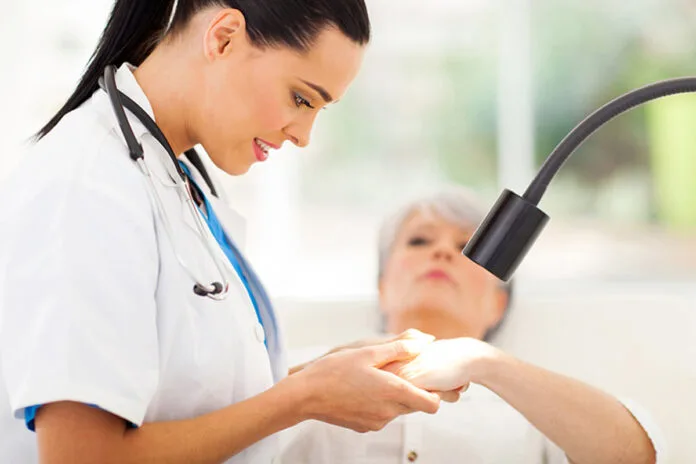
Skin cancer, once a fearsome medical condition that haunted people for decades, is now losing its grip on our collective dread. Thanks to remarkable advancements, managing and treating this ailment has become significantly more effective, sparking a newfound sense of hope. Gone are the days when skin cancer posed an insurmountable challenge, leaving patients with limited survival prospects. Thankfully, we’ve witnessed a remarkable shift, as numerous cutting-edge techniques have emerged to swiftly diagnose and effectively manage the consequences of this formidable disease.
With modern technology, it has become so much easier today that it is even possible to diagnose and treat this condition right from the comfort of your home. But while this is a commendable achievement, it is worth noting that this may not be the best approach to treating skin cancer.
Key Takeaways
- At-home melanoma apps and AI tools can help spot possible signs but aren’t medically licensed or reliably accurate for diagnosis.
- Professional clinical examinations remain the most accurate method for early skin cancer detection.
- Attempting to cut out or treat suspicious moles yourself is unsafe and can lead to infection or mis-treatment.
- Skin cancer clinics provide specialised expertise, equipment, and tailored treatment plans unavailable in at-home settings.
- Effective skin cancer management depends on accurate diagnosis and professional oversight, not DIY tools.
This article will explain the concept of skin cancer treatment while also analyzing the success level of at-home diagnosis and treatment.
What Is Skin Cancer Treatment and Why Is It Necessary?
Skin cancer treatment is a treatment plan introduced to help diagnose, manage, and cure skin cancer.
For a long time, cancer, as a whole, has been thought to be incurable, but recent results have proved otherwise. Today, skin cancer, in particular, can be successfully cured when it is spotted at its early stages. Also, many technologies have been implemented to help diagnose this condition very early.
On the other hand, skin cancer may not be entirely curable when it is spotted late. But there’s also a treatment plan to help patients manage it and ensure it doesn’t cause too much inconvenience. When this treatment plan is administered correctly, it can help patients live a normal life much longer than expected.
Are Melanoma Diagnosis Apps Accurate?
Thanks to medical AIs and at-home melanoma apps, you can now get skin cancer information without visiting the hospital. But while these applications and their artificial intelligence may be great for identifying skin cancer cells, they are not licensed diagnoses. This means they are not medically accurate, and it may be disastrous to trust the results completely.
In all fairness, melanoma diagnosis apps have been helpful for promptly spotting symptoms of skin cancer, which is great. But where the problem often arises is that skin cancer can sometimes disguise some of its early symptoms, bypassing the not-so-solid scan that these apps put up. However, you can trust a typical medical examination performed in a hospital or clinic to be almost spot-on for diagnosing skin cancer at its earliest stages.
Can I Cut Out My Skin Cancer By Myself?
This is an easy “no.”
Mole removal devices have been introduced, and cases of at-home burning, freezing, or laser removal successes have been recorded here and there. But attempting to cut out your skin cancer alone would still be an absolute mistake, and here’s why.
- You don’t know whether the mole you are removing is cancerous. Doctors have studied differences like this for years and are best placed to perform such significant operations.
- While simple cutting or freezing may work for benign lesions, it may not be helpful against a malignant or cancerous tumor.
- Also, since you do not have all the tools required, you may end up causing a serious infection for yourself or even worse.
What Is a Skin Cancer Clinic?
A skin cancer clinic is a medical facility majoring or wholly set aside for diagnosing or treating skin cancer. While your regular GP or doctor may be slightly knowledgeable about skin cancers, the medical practitioners at skin cancer clinics are trained specifically for this condition. So, you’ll typically expect a higher-specialty treatment here than elsewhere. Also, these doctors are trained to perform skin tests, run diagnosis, and cap it all up with a professional treatment plan.
Types of Skin Cancer Treatments
Cancer treatment has come a long way, and skin cancer treatment has specifically experienced massive advancements. Multiple treatment methods have been introduced for this purpose, and here’s a brief introduction for each.
- Surgery: When it comes to treating skin cancer, the first thing that usually pops into our minds is surgery. And you know what? Surgery has been the tried-and-true approach for a reason – it delivers promising results! This process involves numbing the affected area with an anesthetic and skillfully removing the cancerous tissue using a sharp scalpel blade.
- Nonsurgical Treatment: Many people don’t feel comfortable with the idea of invasive surgeries, and that is no news. So, the nonsurgical treatment method was introduced. This process is quickly becoming widespread because it does not involve surgery, and the results are almost as effective. There are several techniques for this treatment method, including cryotherapy, curettage, and topical treatments.
Factors That Determine the Type of Treatment You’ll Get
If you are lucky enough to spot your skin cancer at the earliest stage, you may be able to weigh in with the type of treatment you’ll prefer. But this decision is often dependent on some factors that are as follows:
- Cancer Type: Note that there are different skin cancers, and they may each require a different treatment technique and intensity. The types of skin cancers are melanoma, basal cell carcinoma, and squamous cell carcinoma. Once you are tested, and your skin cancer type is discovered, you’ll know the best treatment.
- Size: Depending on the level, some skin cancer can infect a larger skin area. If this is the case, then it might affect the method of treatment to be used.
- Location: Also, the location of your skin cancer may affect the method of treatment to be employed. For example, if your cancer is on the arm, you will likely get a different treatment method than your face.
Benefits of Visiting a Skin Cancer Clinic
As a skin cancer patient, there are several places you can visit to get a treatment plan, but not many are as reliable as a skin cancer clinic, and here’s why.
- First, while general hospitals and skin clinics can give you a proper skin check, skin cancer clinics are 100% focused on treating skin cancer. Therefore, you can rest assured of attentive care here.
- Since skin cancer clinics explicitly focus on skin cancer treatment, you would generally expect them to have more experts and specialized equipment.
- One of the significant advantages of choosing a skin cancer clinic is the expedited service you’ll receive. By catering exclusively to skin cancer patients, these clinics streamline their processes, resulting in quicker and more efficient care. Gone are the days of waiting in long queues or dealing with crowded waiting rooms. Instead, you’ll find that your doctor’s attention is solely dedicated to addressing the needs of skin cancer patients like yourself.
Imagine a space where you can connect with fellow skin cancer patients who understand the journey you’re on. This unique environment not only promotes a sense of community but also opens up opportunities for shared experiences and knowledge.
Together, you and your fellow patients can navigate the challenges of skin cancer treatment while providing each other with invaluable support and understanding.
FAQs
Is it safe to diagnose skin cancer at home?
Diagnosing skin cancer at home is not considered safe or reliable. While you can monitor your skin for changes, identifying cancerous lesions requires clinical training and specialised tools. Many skin conditions can appear similar, making it difficult to distinguish between harmless spots and something more serious. Relying solely on self-assessment increases the risk of missing early warning signs or misjudging a lesion. A professional skin check provides a more accurate evaluation and ensures any concerns are assessed properly.
Can at-home treatments effectively remove skin cancer?
At-home treatments are not a safe or effective way to treat skin cancer. Products marketed for removing skin lesions may not target cancerous cells properly and can lead to incomplete treatment. This can allow the cancer to continue developing beneath the surface. In some cases, these treatments may also damage surrounding healthy skin, making future diagnosis more difficult. Proper treatment requires medical assessment, accurate diagnosis, and a structured approach to ensure all affected tissue is addressed.
Why is professional diagnosis important for skin cancer?
Professional diagnosis ensures that any suspicious lesion is properly assessed using clinical expertise and appropriate equipment. Trained practitioners can evaluate subtle differences in shape, colour, and structure that may not be visible to the untrained eye. If needed, further tests such as biopsies can confirm whether a lesion is cancerous. Early and accurate diagnosis improves treatment outcomes and reduces the risk of complications. Relying on professional assessment provides a higher level of certainty and care.
What are the risks of delaying proper skin cancer treatment?
Delaying treatment can allow skin cancer to grow and spread, making it more difficult to treat over time. What may begin as a small, manageable lesion can develop into a more serious condition if left untreated. This can lead to more complex procedures and increased health risks. Early intervention is one of the most effective ways to manage skin cancer, so seeking timely medical advice is important when any changes are noticed.
How should you approach concerns about a suspicious skin spot?
If you notice any changes in your skin, such as a new growth or an existing mole that has changed, it is best to seek professional advice promptly. A qualified practitioner can assess the spot and determine whether further investigation is needed. Regular skin checks, both self-examinations and professional assessments, help detect issues early. Taking a proactive approach ensures that any concerns are addressed quickly and appropriately, reducing the risk of more serious outcomes.
Conclusion
Cancer treatment is a critical process that often requires the best work from trained professionals. Although at-home skin cancer diagnosis and treatment may be slightly helpful, it can’t be entirely trusted, and this article has highlighted some reasons why.
CONTACT SKIN CLINIC ROBINA TODAY
For all matters concerning skin cancer checks and treatments offered by Skin Clinic Robina, contact us today.
