
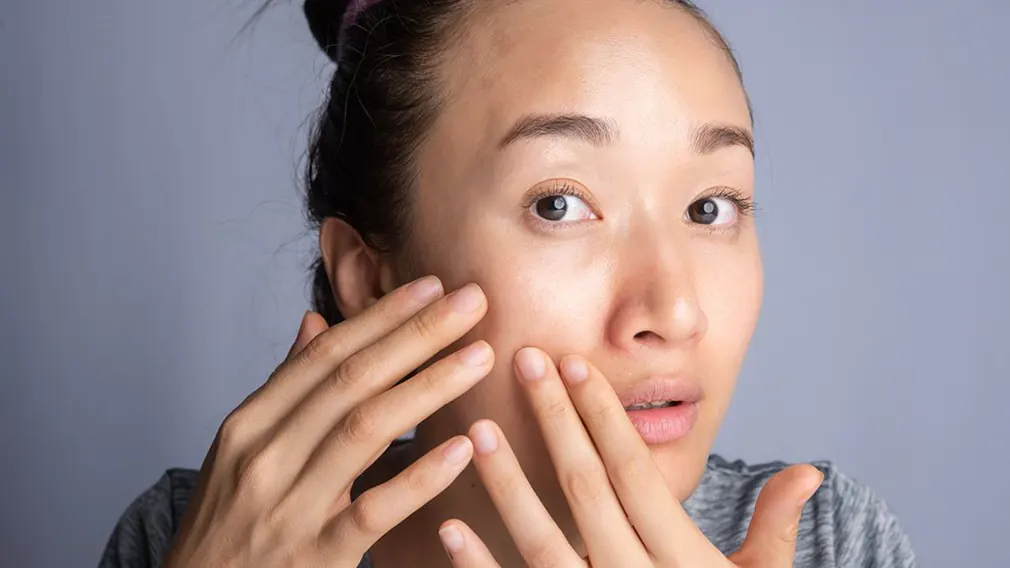
“Healthiness equates to wealth” is what the saying “health is wealth” means; we must prioritise staying healthy by keeping tabs on our health, drinking enough water to stay hydrated, exercising, and eating right. All these habits are essential in maintaining every system in the body.
On the idea of keeping tabs on our health, how can we do that? Firstly, we start with the most visible organ in the body, among many others, the skin. The skin is the largest organ in the body and is responsible for protecting all other organs, regulating body temperature, and many other functions. Still, being the largest external organ in the body exposes it to many risks that can affect its performance. When its performance is affected, it can be described as unhealthy.
A condition called skin cancer is one of the many factors that affect the skin. It can be described as abnormal movement or growth in the skin’s cells. These cells need to function together for the skin to stay healthy, but cancer distorts the functionality of skin cells. Hence, it is essential to check your skin for signs of skin cancer. Discovering the abnormality earlier can help save your life and curb cancer from spreading.
Key Takeaways
- Perform self‑examination before your appointment and note any new, changing or concerning spots to discuss with the clinician.
- Avoid makeup, nail polish, fake tan and lotions before the check so your skin is clear and easier to assess.
- Wear comfortable, loose clothing that’s easy to remove to allow thorough skin examination.
- Bring relevant medical history and be prepared to discuss personal and family skin cancer risk factors.
- Familiarise yourself with your own skin and document any suspicious changes ahead of the appointment.
- Arrive on time and share honest health information to help the doctor conduct an effective check.
Skin cancer checks differ from the regular check-ups you participate in at hospitals; you need to know how to prepare for them. This article will outline tips on ways to prepare for a skin cancer check and the causes of skin cancer.
Tips on How to Prepare for Skin Cancer Checks
As mentioned earlier, there are specific steps to take in preparation for a skin cancer check. These steps include:
- Find concerning lesions at home: Nobody knows your body better than you; you must take the time to examine your body for any changes you cannot explain. Some people use an app to help track this — see skin cancer apps be trusted. These changes might not be cancerous, but it is better to be safe. When you spot these changes, please note them and direct the doctor’s attention to them during a check-up session.
- Document suspicious changes: When you spot changes in moles or scars, you can take photos of the moles in the weeks leading to your examination appointment. Bring these photos for your skin check because they will be helpful during the check.
- Book an appointment: You want to book an appointment for a skin cancer check with a trusted, reliable, and proven doctor. You need to check the doctor’s credentials and ensure that you are comfortable with the doctor before booking an appointment.
- Do not wear makeup and only wear comfortable clothes: Your skin needs to be fresh and uncontaminated on the day of the skin check; doctors recommend that patients avoid any solution that can alter the skin’s makeup days before the check. Also, on the check day, you need to wear comfortable and easy clothes to get in and out of.
- Be honest and punctual: In reality, the skin cancer doctors work with the information you provide; you need to be plain on your medical records, medication, and treatments you have undergone before. Plus, you must arrive very early for your appointment because while you wait, the skin cancer clinic can prepare for your skin cancer check.
FAQs
How should you prepare for a skin cancer check?
Preparing for a skin cancer check is simple but helps ensure a thorough assessment. It is best to remove nail polish so the clinician can examine the nail beds, as skin cancers can occasionally appear in these areas. Avoid wearing makeup, moisturiser, or fake tan, as these can obscure the skin and make it harder to assess changes accurately. Wearing loose, comfortable clothing also makes it easier to change if required. Taking note of any spots or changes you have noticed beforehand can help guide the examination.
Do you need to remove makeup or skincare products before your appointment?
Yes, it is recommended to attend your appointment with clean, product-free skin. Makeup, sunscreen, and skincare products can create a barrier that makes it more difficult for the clinician to properly assess the skin’s surface. These products may conceal changes in colour, texture, or shape that are important for early detection. Arriving with bare skin allows for a clearer and more accurate examination, ensuring nothing is missed during the check.
Should you point out specific spots during a skin cancer check?
Absolutely. While a full-body examination is typically performed, it is still helpful to point out any spots, moles, or areas of concern you have noticed. Changes such as growth, itching, bleeding, or alterations in colour are important to highlight. Your awareness of your own skin plays a valuable role in early detection. By mentioning these areas, you help the clinician focus on anything that may require closer inspection or monitoring.
What should you wear to a skin cancer screening appointment?
Choosing practical clothing can make your appointment smoother and more comfortable. Loose-fitting clothing that is easy to remove or adjust is ideal, as it allows the clinician to access different areas of the body without difficulty. You may be asked to change into a gown depending on the clinic, so simple outfits are best. Minimising accessories and jewellery also helps streamline the process and ensures all areas of the skin can be examined properly.
How long does a skin cancer check usually take?
A standard skin cancer check is generally quick and straightforward, often taking around 15 to 30 minutes depending on the extent of the examination and any areas of concern. If the clinician identifies spots that require further attention, additional time may be needed for closer inspection or discussion of next steps. Despite being relatively brief, these checks are thorough and play an important role in identifying potential issues early, when treatment is more effective.
Conclusion
The chances of developing skin cancer are increased with constant exposure to ultraviolet rays and the kind of food we eat, and some patients come from a family with a history. Hence, everyone should know how to prepare for a skin cancer check. If the appointment itself makes you anxious, see a skin check without stress, and if you’ve had skin cancer before, see can skin cancer come back.
